The safest way to care for natural gemstone jewelry is to keep it away from harsh chemicals, prolonged moisture, heat, and unnecessary friction. For most pieces, gentle wiping with a soft, dry or slightly damp cloth after wear, followed by careful storage, is better than frequent deep cleaning.
The right method also depends on the material. Quartz gemstones are generally more durable than pearls or mother of pearl, while handmade bracelets and earrings may include cords, elastic, metal findings, or other components that require their own care.
Understanding these differences helps you protect your jewelry before and after purchase.
Why Natural Gemstone Jewelry Needs Care
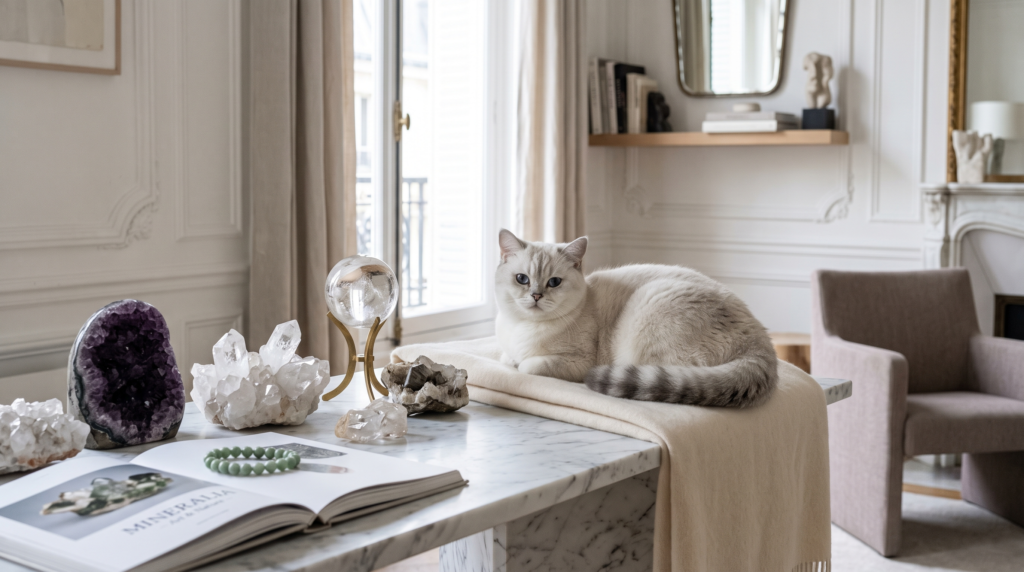
Natural gemstones are not manufactured to look completely identical. Color zoning, inclusions, small mineral features, texture, translucency, and pattern can vary from stone to stone.
These characteristics are part of buying natural materials rather than automatically being signs of poor quality.
Construction matters too. A crystal bracelet may combine polished beads with elastic or cord, while gemstone earrings may include stone, pearl, mother of pearl, and metal components. The most delicate material in the piece should usually determine how you clean it.
Before buying, check the stone type, jewelry construction, and material information. Gattrepeitho’s Materials Guide is a useful starting point for understanding what a piece contains and what natural variations to expect.
How to Care for Natural Gemstone Jewelry
Good gemstone jewelry care is mostly preventative. A few simple habits can reduce scratching, dullness, stretched bracelet cords, and damage to delicate surfaces.
Put Jewelry on Last
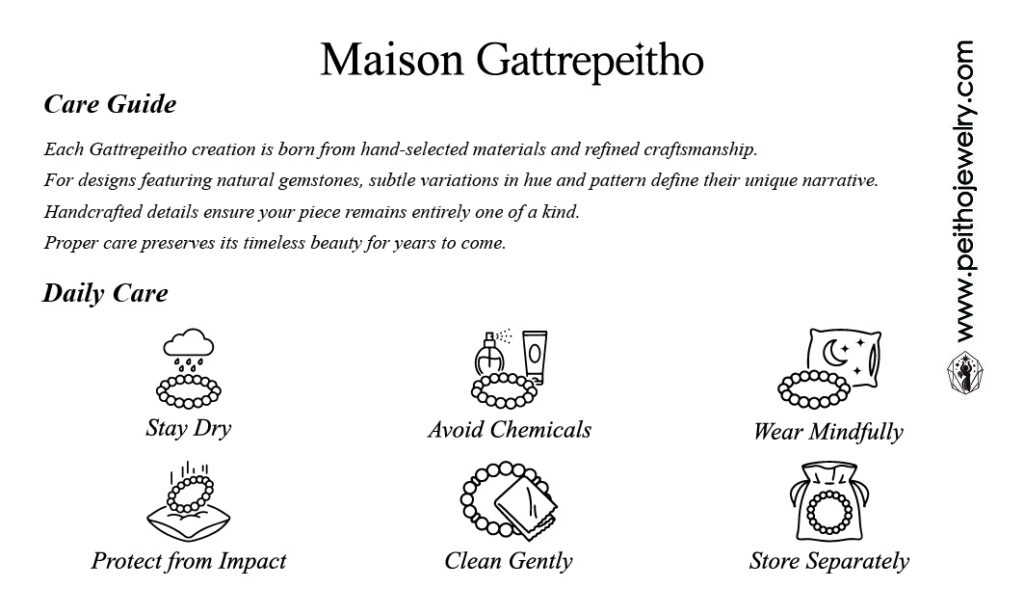
Apply perfume, hairspray, sunscreen, lotion, and cosmetics before putting on gemstone jewelry. Allow products to dry first.
This is particularly important for pearls, mother of pearl, and jewelry with delicate metal or handmade components.
Remove Jewelry Before Water-Heavy Activities
As a general rule, remove gemstone jewelry before:
- Showering or bathing
- Swimming
- Exercising heavily
- Washing dishes
- Using household cleaners
- Sleeping, especially when wearing bracelets or dangling earrings
Even when a gemstone itself tolerates occasional water exposure, the stringing material, elastic, adhesive, finish, or metal component may not.
Avoid Hard Impacts
Natural stone is durable in some respects but not indestructible. A gemstone can scratch, chip, or fracture if it hits a hard surface.
Avoid tossing bracelets and earrings onto countertops or carrying them loose with keys and other jewelry.
How to Clean Gemstone Jewelry Safely
If you are wondering how to clean gemstone jewelry, start with the gentlest method rather than assuming every stone can be soaked or scrubbed.
For routine cleaning:
- Wipe the jewelry gently with a clean, soft cloth.
- If the material permits, use a cloth lightly dampened with clean water for visible residue.
- Avoid saturating stringing, elastic, or delicate components.
- Dry the piece thoroughly with a soft cloth.
- Let it dry completely before returning it to storage.
Avoid abrasive cleaners, bleach, strong household chemicals, and rough brushes unless specific care instructions for the exact material say otherwise.
Ultrasonic and steam cleaners should not be treated as universal gemstone-cleaning solutions. Their suitability depends on the gemstone, treatments, inclusions, setting, and construction of the jewelry. When you are uncertain, gentle manual cleaning is the safer approach.
Bracelet: Protect the Stone and the Stringing
Good crystal bracelet care involves more than cleaning the beads. Elastic, cord, knots, spacers, and other components also experience wear.
When removing a stretch bracelet, avoid pulling it excessively over the hand. Gently roll it over the wrist instead. This reduces repeated strain on the elastic.
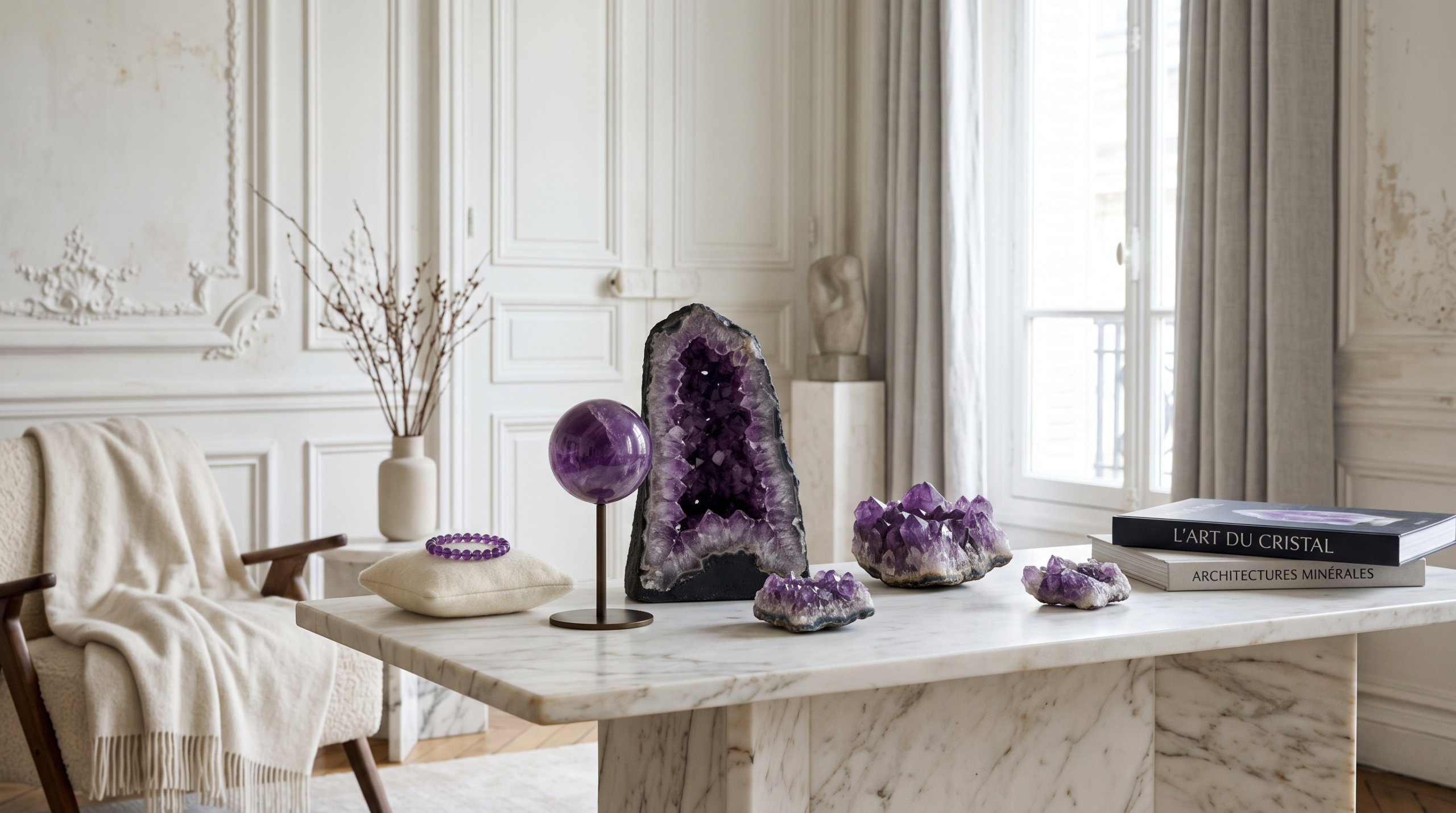
Pieces such as Gattrepeitho’s Rose Quartz Bracelet and Amethyst Bracelet can be maintained with regular soft-cloth cleaning and careful storage. Quartz-family gemstones are relatively durable, but they can still be scratched or damaged by hard impacts.
Rose quartz and amethyst also illustrate why natural variation matters. Individual beads may differ slightly in color, clarity, translucency, inclusions, or internal texture. A bracelet made with natural stones therefore should not be expected to look exactly like another bracelet or every product photograph.
Pearl Jewelry Care
Pearl jewelry care requires a gentler approach because pearls have relatively soft, delicate surfaces.
After wearing pearl jewelry, wipe it with a very soft cloth to remove skin oils and cosmetic residue. Keep pearls away from perfume, hairspray, household cleaners, and abrasive materials.
Avoid aggressive scrubbing and do not assume that soaking is appropriate simply because the jewelry contains other water-resistant materials.
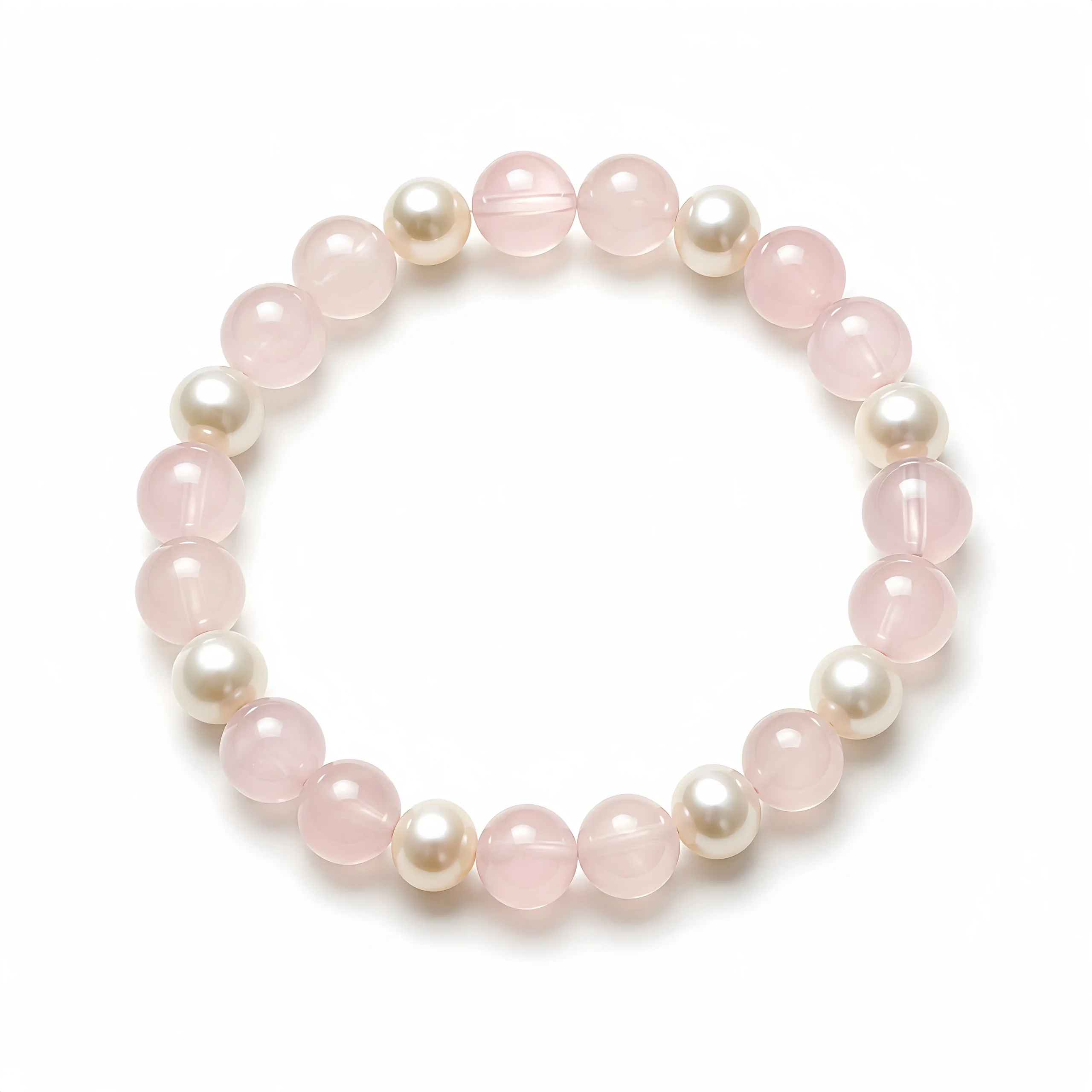
For a mixed-material design such as Gattrepeitho’s Smoky Quartz Pearl Bracelet, care for the piece according to its more sensitive components. Although smoky quartz is a quartz variety, the presence of pearls and bracelet stringing means a gentler overall routine makes sense.
This principle is useful whenever you buy jewelry combining multiple natural materials: care for the whole piece according to its most delicate element.
Mother of Pearl Jewelry Care
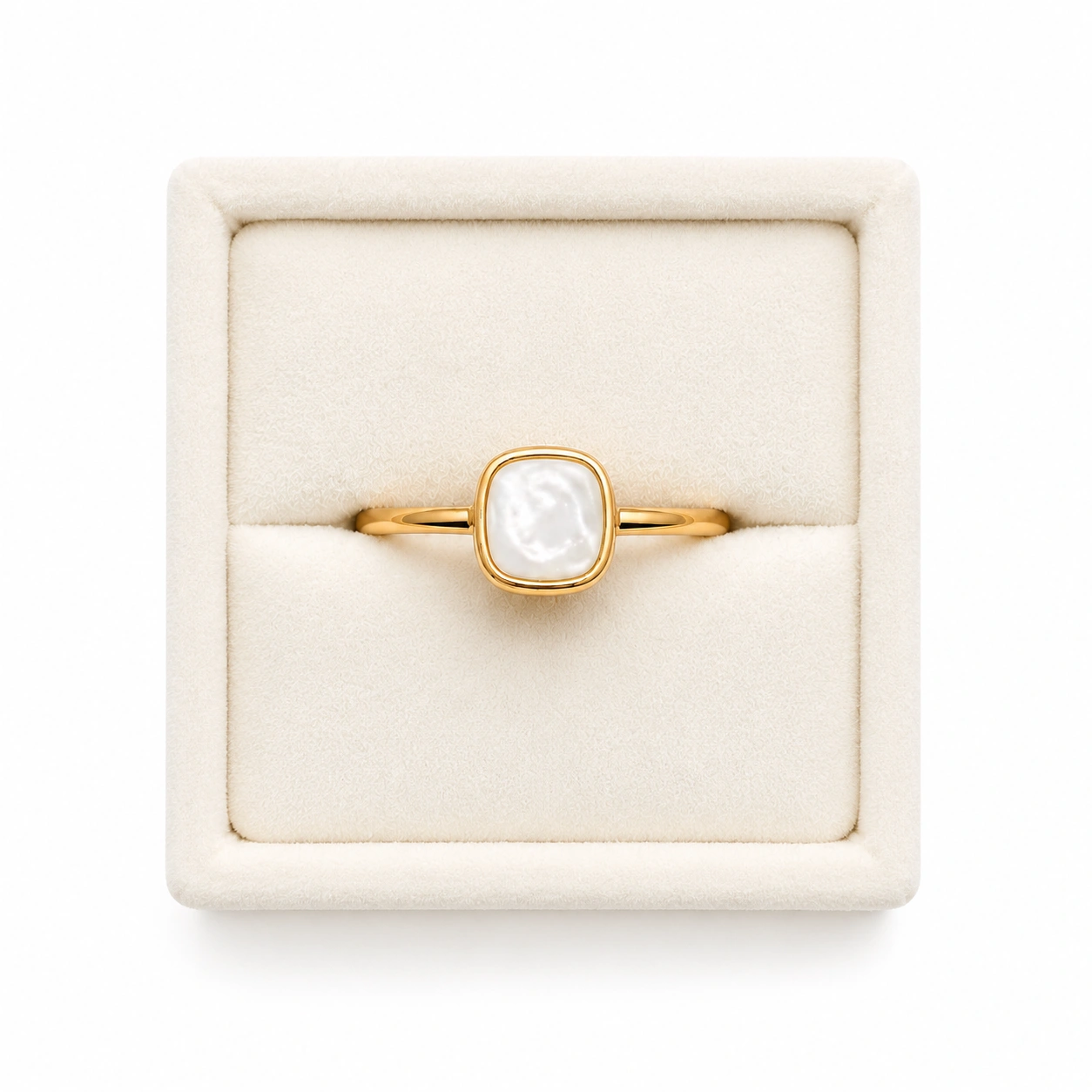
Mother of pearl is valued for its naturally iridescent surface and shifting color. That surface also deserves careful handling.
For mother of pearl jewelry care, use a clean, very soft cloth and avoid abrasive cleaners or rough polishing materials. Keep the jewelry separate from harder stones and metal objects that could scratch its surface.
Gattrepeitho’s Mother of Pearl Earrings, for example, are best stored individually or in a soft compartment rather than dropped into a mixed jewelry box.
Natural mother of pearl can vary in sheen, pattern, tone, and iridescence. Those differences are expected characteristics of the material and can make individual pieces visually distinct.
Natural Gemstone Jewelry
Pearl and Mother of Pearl Jewelry
P
P
Caring for Gemstone Earrings
The Gemstone Earrings Collection includes another consideration: earrings come into close contact with skin, hair products, and cosmetics.
After wear, gently wipe the gemstone and appropriate external components with a soft cloth. Follow the stated material instructions for metal components rather than applying a strong jewelry cleaner across the entire earring.
Store pairs together but separated from other jewelry. This makes them easier to find while reducing scratching and tangled hooks or components.
Handmade Jewelry Care and Natural Differences
With handcrafted jewelry, small differences between individual pieces can occur because of both the natural materials and the making process.
Handmade jewelry care should therefore start with understanding the construction of your specific piece. Look at how stones are secured, whether the bracelet uses elastic or cord, and which metals or other materials are included.
Before purchasing natural stone jewelry, consider:
- The exact gemstone or material used
- Whether natural variations are explained
- Bracelet dimensions or sizing information
- Earring dimensions and weight, where provided
- Stringing, findings, and other construction materials
- Recommended care instructions
- Whether product photos represent natural variation rather than guaranteed identical stones
This information is often more useful than broad claims that a gemstone is simply “high quality.”
How to Store Natural Stone Jewelry
Proper storage is one of the easiest forms of natural stone jewelry care.
Keep pieces in a clean, dry place and avoid prolonged exposure to direct sunlight, excessive heat, or high humidity. Store softer or easily scratched materials separately.
A soft pouch, lined jewelry box, or divided compartment can help prevent pieces from rubbing against one another.
For bracelets, store them in a relaxed position rather than stretching the elastic around objects. For earrings, secure pairs so posts, hooks, or harder gemstones do not scratch other pieces.
Gemstone Symbolism and Care
Some shoppers choose gemstones partly for their traditional symbolism or personal associations.
Rose quartz, for example, is often associated with affection and compassion, while amethyst is traditionally linked to clarity and calm symbolism. Smoky quartz is commonly chosen as a reminder of steadiness or grounding.
These associations are cultural and symbolic rather than medical effects. Whether you select a gemstone for its color, zodiac connection, symbolism, or simply because you like the natural pattern, its physical care requirements remain based on the actual material.
What to Check Before Buying Gemstone Jewelry
Knowing how a piece should be maintained can help you make a more informed purchase.
Before choosing from Gattrepeitho’s Crystal Bracelet Collection, Gemstone Earrings Collection, or other natural-material designs, read the product description and Materials Guide closely.
Check sizing as well as materials. For a bracelet, consider your wrist measurement and the intended fit rather than choosing only by appearance. For earrings, dimensions, design, and weight can affect how the piece feels and styles with your wardrobe.
If you are buying jewelry as a gift, natural variation is also worth considering. The recipient’s piece may have slightly different inclusions, patterns, or color distribution from the photographed example. For many shoppers, that individuality is part of the appeal of natural gemstone jewelry.
Daily Care and Storage Best Practices
Preventative care minimizes the need for frequent deep cleaning and protects your jewelry from physical wear.
The Last On, First Off Rule: Put on your gemstone jewelry after applying perfume, hairspray, lotions, and makeup. Chemical residues build up on stones, dulling their natural luster.
Remove During Physical Activity: Take off bracelets and earrings before swimming, exercising, gardening, or sleeping. Impact against hard surfaces can chip stones, and pool chlorine damages both metals and organic gems.
Proper Storage: Store items individually in soft cloth pouches or lined jewelry compartments. Harder stones can scratch softer materials like mother of pearl or delicate crystals if stored loosely together.
Natural Gemstone Jewelry Care
Frequently Asked Questions
Can I wash natural gemstone jewelry with water? +
It depends on the gemstone and the jewelry's construction. A lightly dampened soft cloth is often suitable for routine cleaning, but soaking can be inappropriate for pearls, mother of pearl, elastic, cord, adhesives, finishes, or other components. Follow material-specific instructions.
Can I shower with a crystal bracelet? +
Removing a crystal bracelet before showering is generally the safer habit. Repeated exposure to water, soap, shampoo, heat, and moisture can affect stringing materials and other components even when the gemstone itself is relatively durable.
How often should I clean gemstone jewelry? +
Lightly wipe jewelry after wear when it has been exposed to skin oils, cosmetics, or perspiration. Deeper cleaning should be done only when necessary and according to the specific gemstone and construction.
How should I care for pearl and mother of pearl jewelry? +
Use a very soft cloth, avoid abrasive cleaners and harsh chemicals, and store these materials away from harder jewelry that could scratch them. Apply perfume and cosmetics before putting the jewelry on.
Are inclusions or color differences defects in natural gemstones? +
Not necessarily. Natural gemstones commonly show differences in color, inclusions, translucency, texture, and pattern. These features should be distinguished from actual damage such as chips, broken components, or significant structural defects.
What is the safest way to store crystal bracelets? +
Keep bracelets clean and dry in a pouch, lined box, or separate compartment. Avoid storing stretch bracelets under tension and keep gemstones from rubbing against harder jewelry.