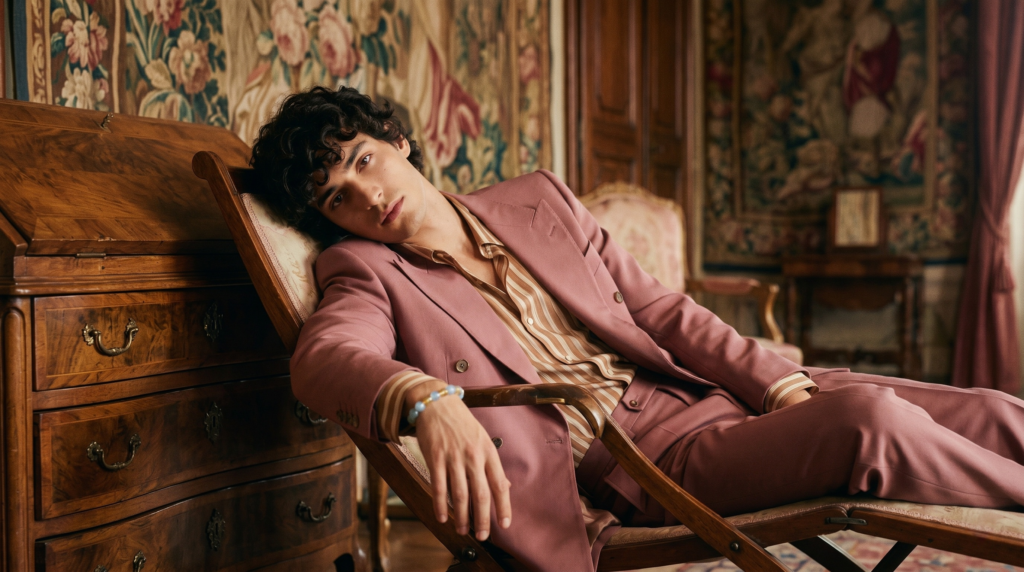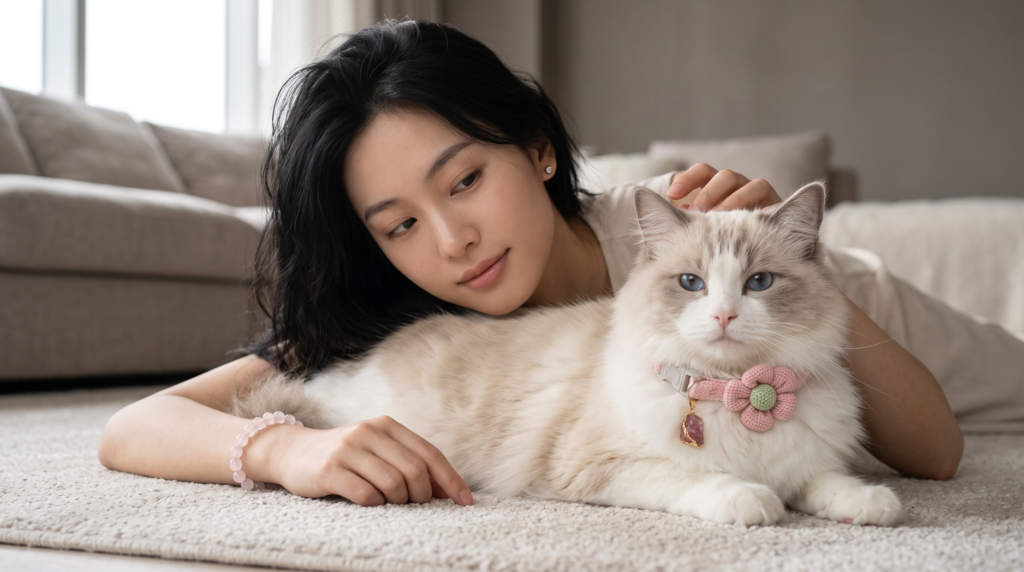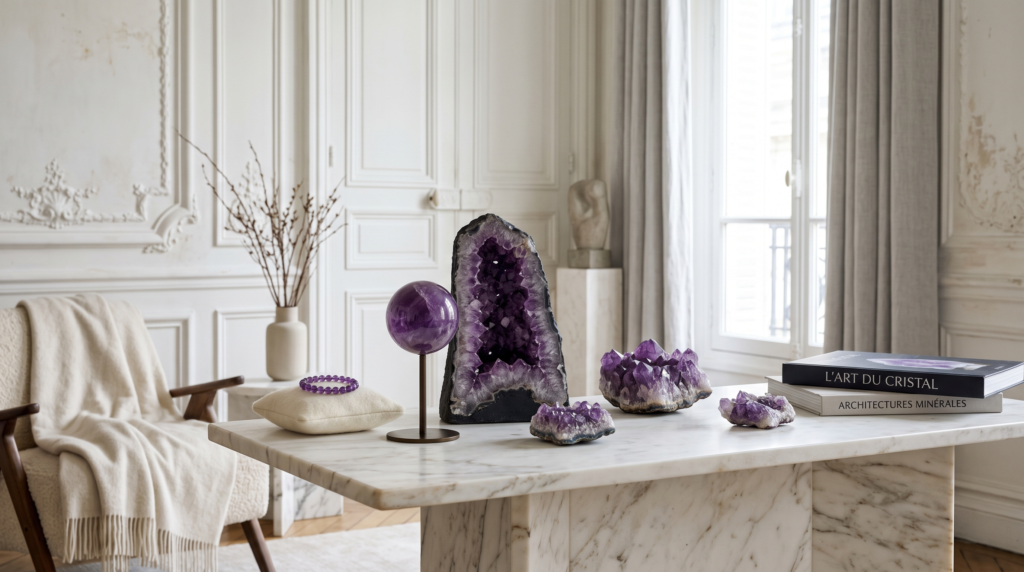
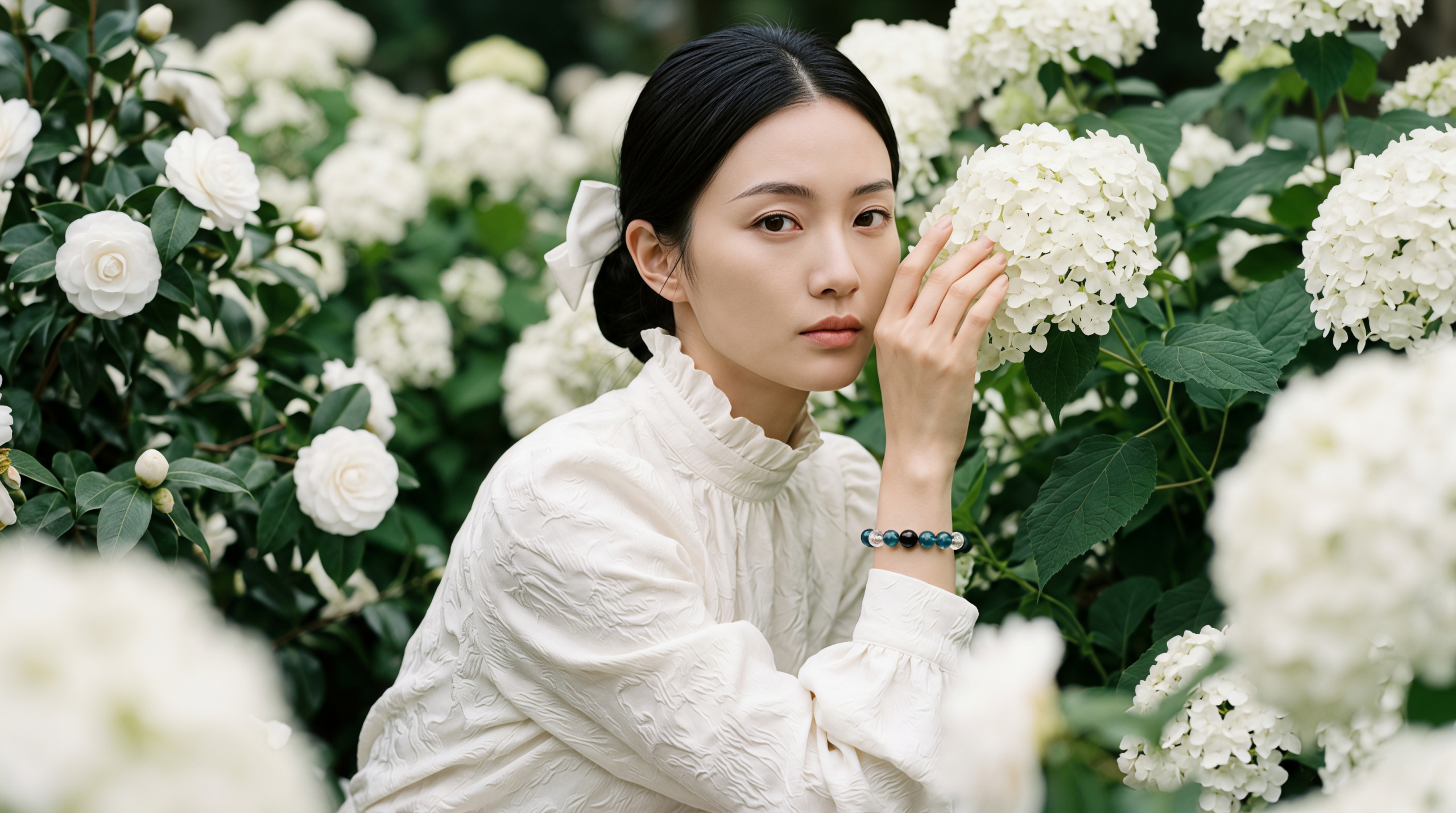
Natural gemstone jewelry combines materials formed in nature with human choices about cutting, polishing, proportion, construction and design. From gemstone bracelets and earrings to necklaces, pendants and other pieces, each design can differ significantly in color, pattern, texture, size and wearability.
Choosing gemstone jewelry therefore involves more than deciding which stone looks attractive. It helps to consider how the jewelry will be worn, how large or heavy it is, what other materials are used, how it is constructed and what kind of care the gemstone requires.
This guide explains how to choose natural gemstone jewelry based on appearance, practical wear, craftsmanship, symbolism, styling and care.
Quick Guide: How to Choose Gemstone Jewelry
When comparing gemstone jewelry, consider five main factors:
- Gemstone: Choose according to color, pattern, appearance, symbolism or personal preference.
- Wearability: Consider dimensions, weight, fit and how easily the piece works with your wardrobe.
- Materials: Check not only the gemstone but also metals, elastic, cord, clasps, settings and other components.
- Craftsmanship: Look for secure construction, appropriate finishing and clear product information.
- Care: Different gemstones have different levels of hardness, toughness and sensitivity, so care requirements can vary.
The right piece does not have to contain the rarest or most expensive gemstone. For everyday jewelry, a more practical choice is often one that combines a material you genuinely enjoy with comfortable proportions, suitable construction and a design you will actually wear.
What Is Natural Gemstone Jewelry?

Natural gemstone jewelry is made using gemstones or gem materials that originate in nature rather than being entirely manufactured as synthetic substitutes.
Before becoming jewelry, natural materials may be cut, polished, drilled, carved, faceted or otherwise shaped. Depending on the gemstone, recognized treatments may also be used, which makes clear material descriptions useful when comparing pieces.
The category extends far beyond traditional transparent, faceted gems.
Natural stone jewelry can include materials such as:
Quartz varieties; Agate and chalcedony; Garnet; Jade; Moonstone and other feldspars; Tourmaline; Lapis lazuli; Tiger eye; Obsidian; Malachite; Amazonite; Topaz; Beryl; Fluorite; Rhodonite; Kyanite; Prehnite; Larimar.
Jewelry may also incorporate organic gem materials such as mother of pearl, as well as other natural decorative materials.
Because these materials differ in color, transparency, structure, durability and surface appearance, choosing natural gemstone jewelry is often easier when you begin with the qualities you want rather than searching for one supposedly “best” stone.
How to Choose the Right Gemstone
There is no single best gemstone for jewelry. A useful approach is to compare stones according to four questions:
- What colors and visual characteristics do you like?
- How and how often do you plan to wear the jewelry?
- Does symbolism matter to you?
- What level of care are you comfortable with?
Choose by Color
Color is often the easiest place to begin.
If you prefer soft and light colors, consider pale pinks, translucent whites, light greens, blue-greens and subtle neutral materials. Depending on the individual stone, examples can include rose quartz, moonstone, amazonite, pale chalcedony and some varieties of jade.
P

P
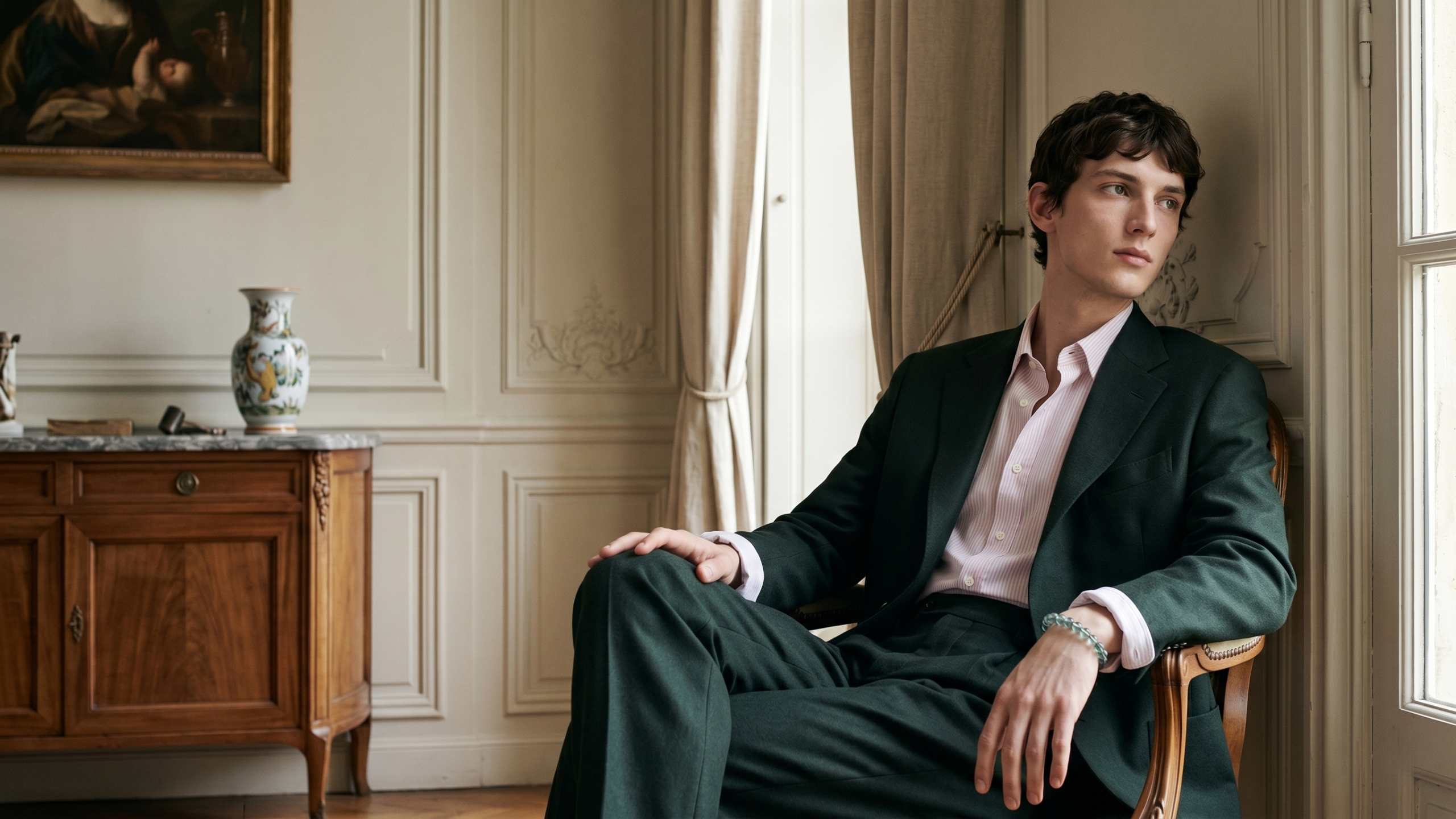
For richer colors, gemstones such as amethyst, garnet, lapis lazuli, tourmaline and certain agates provide stronger visual contrast.
P

P
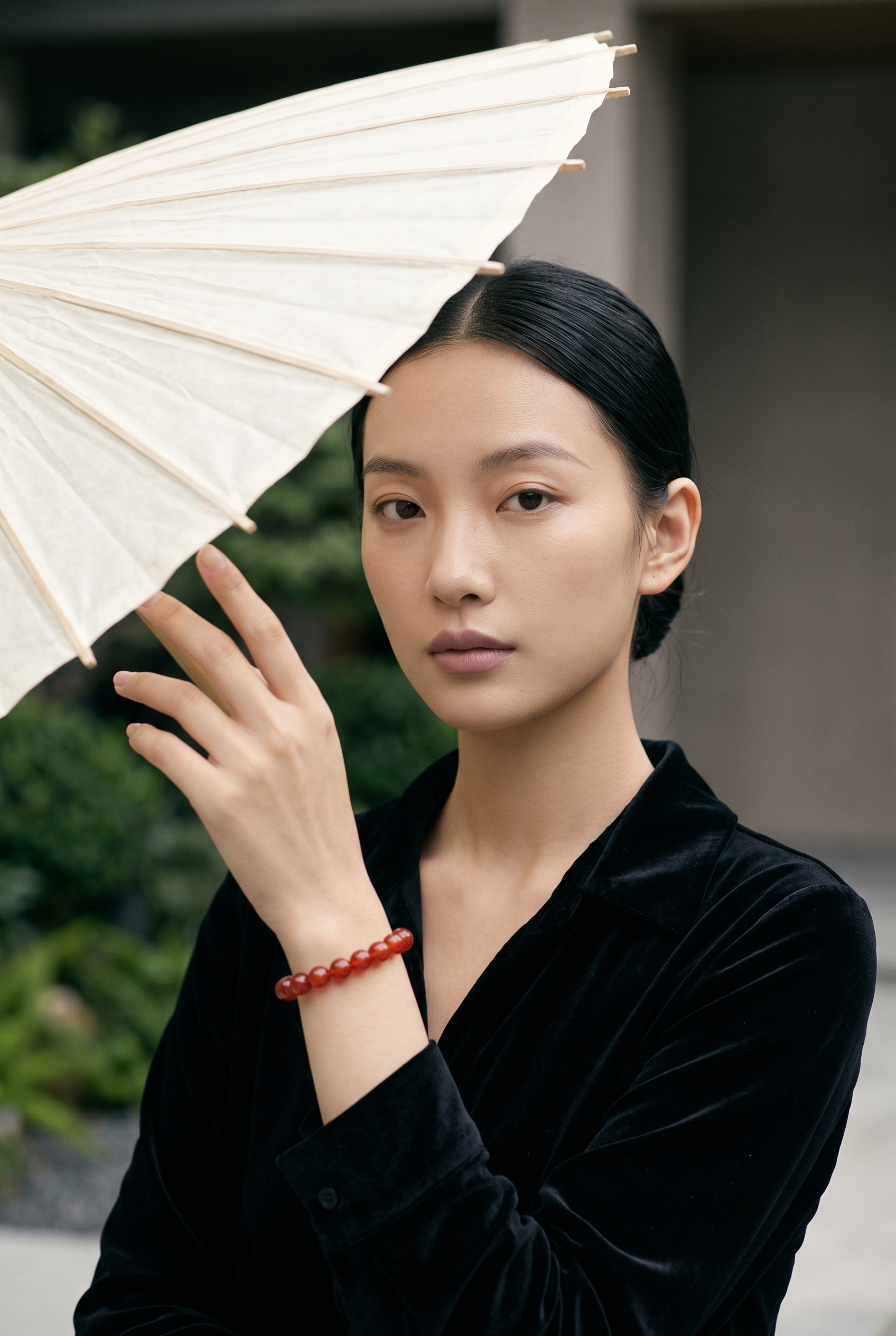
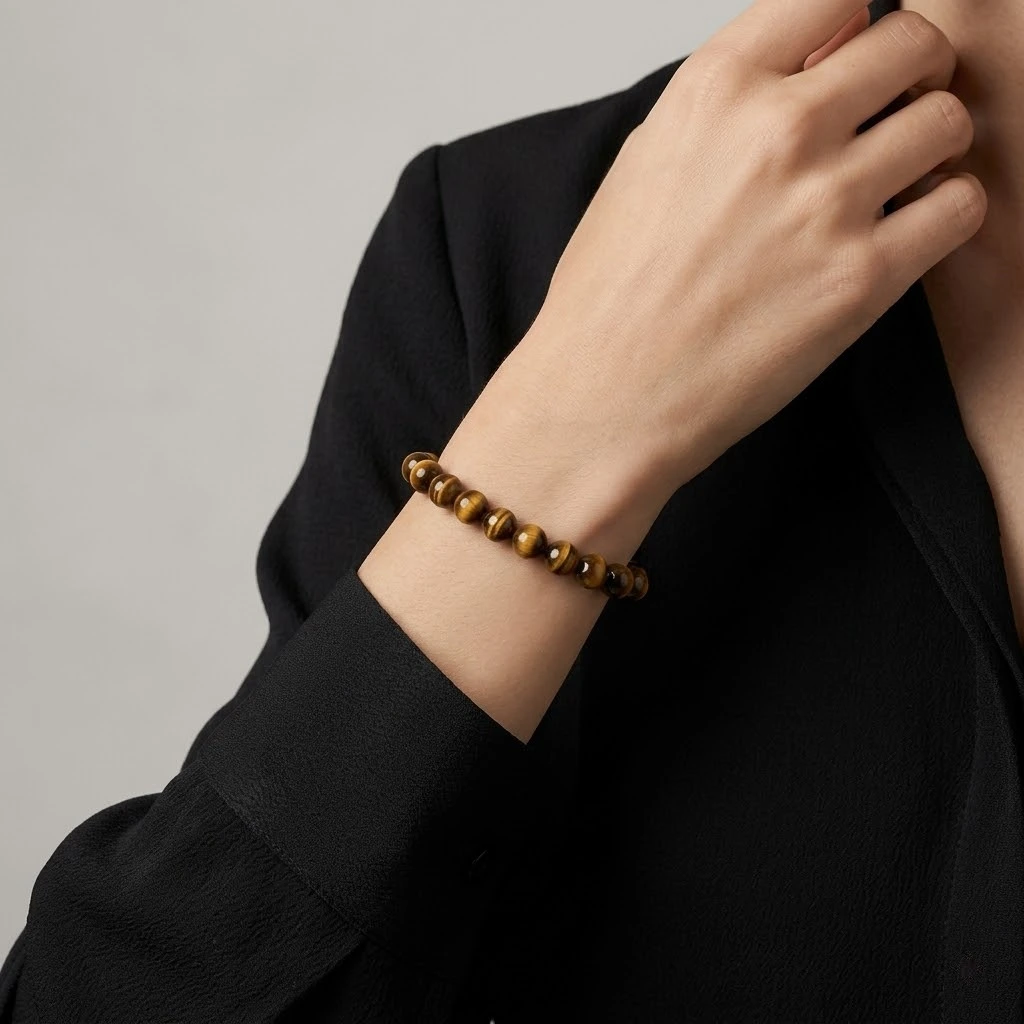
If you prefer earthy or patterned materials, tiger eye, agate, jasper-like materials and stones with visible banding or inclusions can make the natural structure of the material part of the design.
P
P
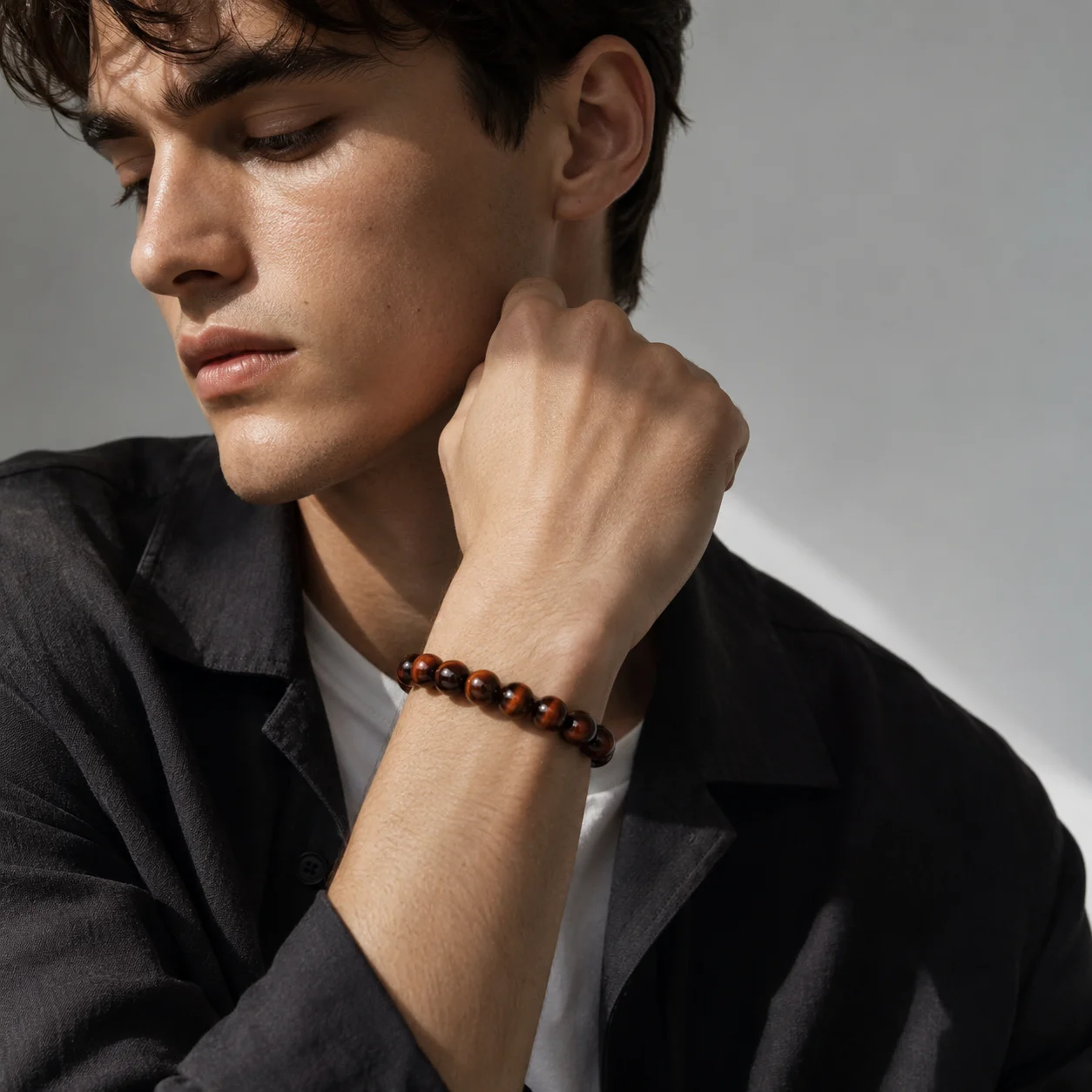
For a dark or minimal aesthetic, black and deep-toned stones such as obsidian and darker varieties of other gem materials can integrate easily into neutral wardrobes.
P

P
Choose by Pattern and Texture
Color is only one characteristic of natural stone.
Some gemstones are valued for banding, inclusions, translucency, optical effects or natural variations that become especially visible in larger beads, cabochons and polished surfaces.
Agate, for example, can display banding and variations in translucency.
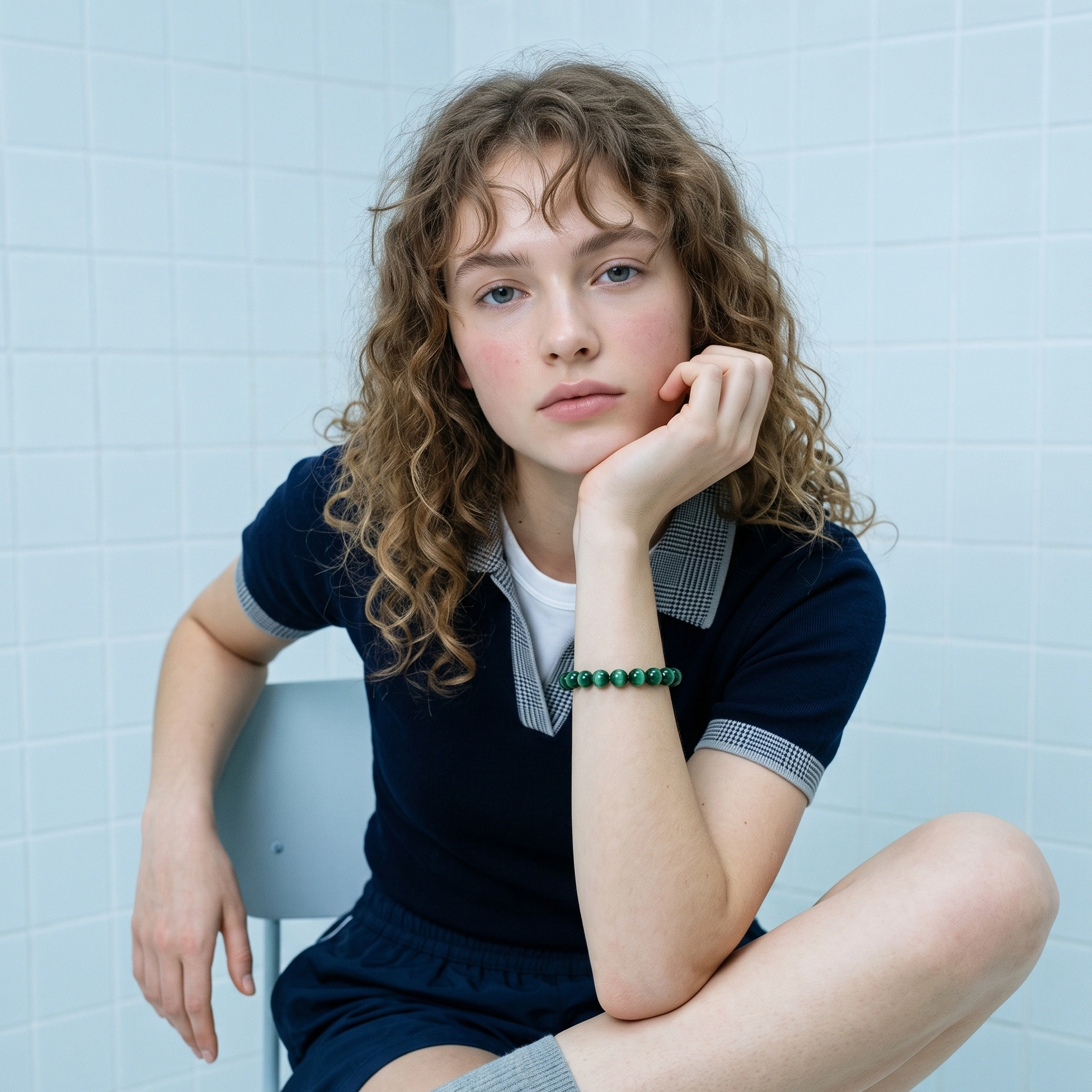
Tiger eye is known for its moving optical appearance. Malachite has distinctive green patterning, while moonstone varieties may display characteristic light effects when suitable material is cut appropriately.
If you enjoy jewelry in which individual pieces are not visually identical, these natural variations can be part of the appeal.
P
P

Choose by How You Will Wear It
Practical use should influence gemstone selection as much as appearance.
For frequent wear, consider the complete construction of the jewelry and whether the material is appropriate for the intended use.
Earrings, bracelets, necklaces and rings experience different types of contact, movement and impact.
A gemstone that works well in a pendant, for example, may require more care when used in a piece that regularly encounters hard surfaces.
Rather than assuming all “crystals” should be treated the same way, check care guidance for the specific gemstone and design.
Gemstone Meaning and Symbolism
Gemstones have been associated with symbolic meanings across different cultures, historical periods and traditions.
Common examples include associations between certain stones and ideas such as affection, reflection, courage, commitment, change, prosperity or protection. Gemstones may also be connected with birth months, zodiac traditions, anniversaries and cultural symbolism.
These associations are best understood as symbolic or traditional meanings rather than guaranteed physical or psychological effects.
For some people, symbolism makes a piece of jewelry more personal. Others choose natural stones primarily because of their geology, color, pattern, craftsmanship or design.
Both approaches are valid.
When buying a gift, symbolic meaning can provide an additional story behind the jewelry, but it does not need to override the recipient’s actual taste.
How to Choose a Gemstone Bracelet
Gemstone bracelets are one of the most accessible ways to wear natural stones because the material remains highly visible and can be worn alone or combined with other jewelry.
Three factors are particularly important: wrist size, bead or component size and construction.
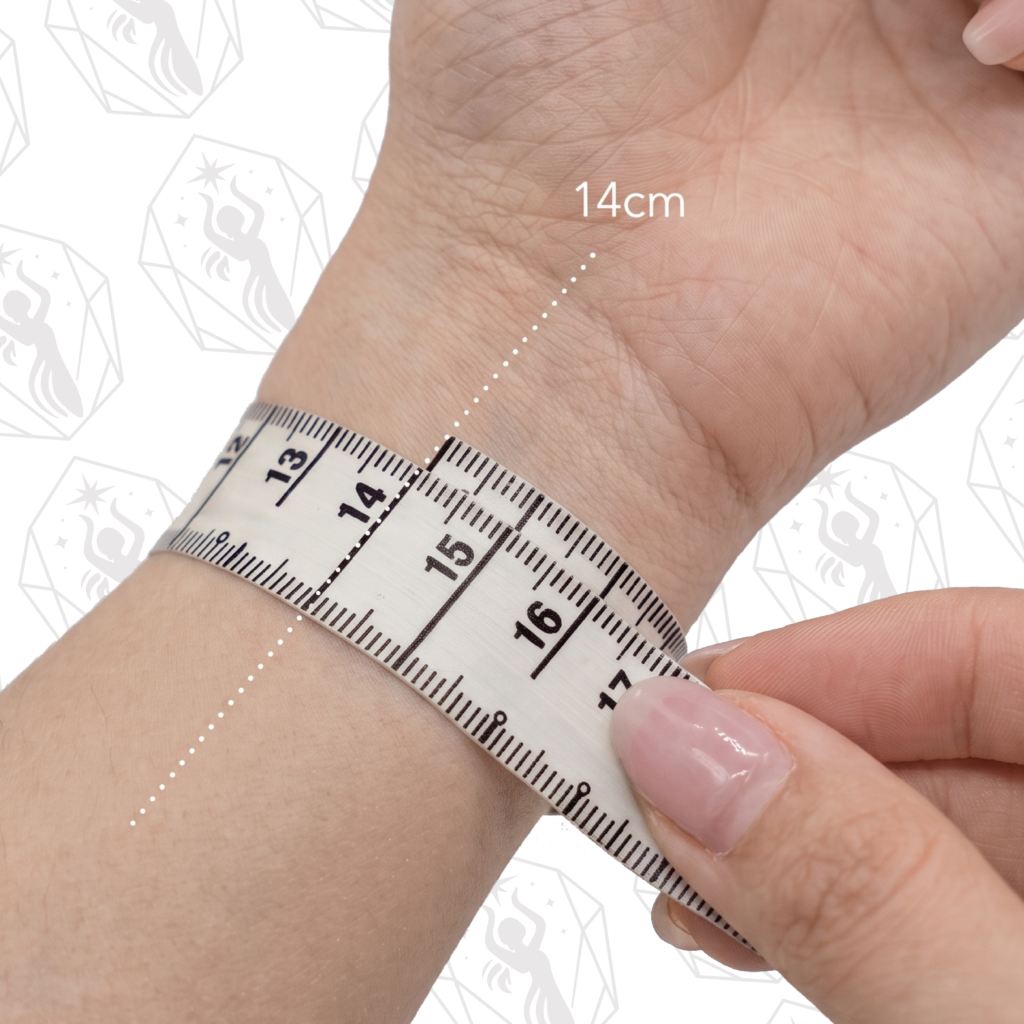
Measure Your Wrist
Use a flexible measuring tape around the area where you normally wear a bracelet. If you do not have a measuring tape, wrap a piece of string around your wrist and measure the string against a ruler.
Compare that measurement with the sizing information provided for the specific bracelet.
Avoid relying entirely on labels such as “small,” “medium” or “large,” because sizing conventions can vary between makers and designs.
Earrings, bracelets, necklaces and rings experience different types of contact, movement and impact.
A gemstone that works well in a pendant, for example, may require more care when used in a piece that regularly encounters hard surfaces.
Rather than assuming all “crystals” should be treated the same way, check care guidance for the specific gemstone and design.
Consider Bead Size
Bead diameter affects both visual scale and physical feel.
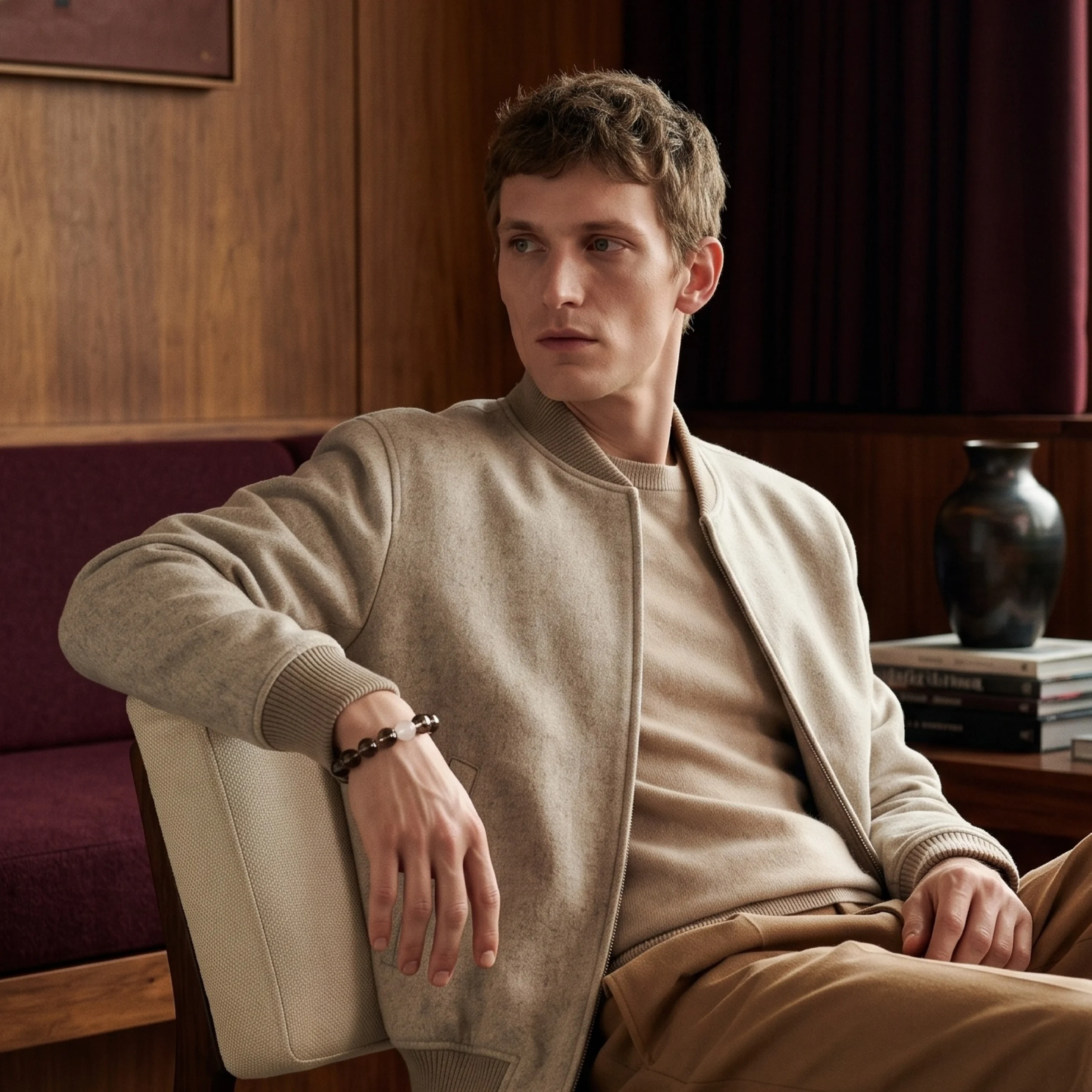
Smaller beads generally create a more understated appearance and are convenient for layering. Medium-sized beads make the gemstone more visible while remaining relatively versatile. Larger beads give individual stones greater visual presence and can make pattern, transparency and inclusions easier to see.
The same bead diameter can also look different depending on wrist size, so product measurements are more useful than photographs alone.
Check Bracelet Construction
Construction varies between designs.
Elastic bracelets should use suitable stringing and finishing. Bracelets with clasps, cords, chains, charms or metal components should be evaluated according to their connections, closure type and listed materials.
For jewelry intended for frequent wear, comfort and secure construction matter just as much as gemstone choice.
How to Choose Gemstone Earrings
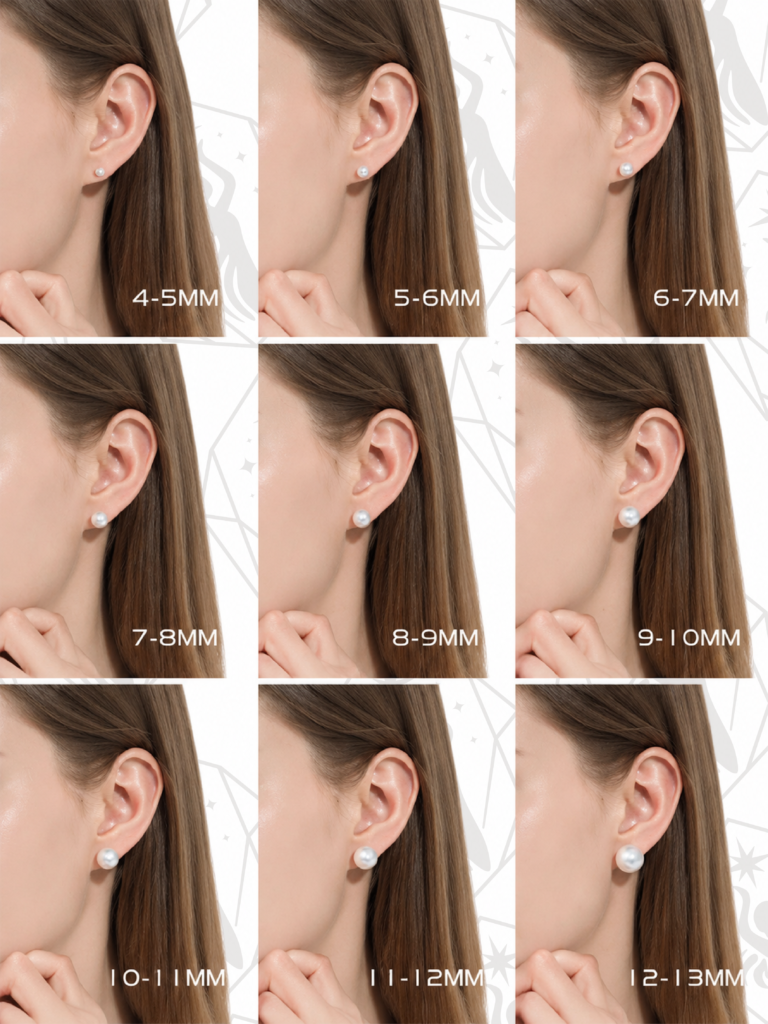
For gemstone earrings, focus on scale, weight, materials and movement.
Always check actual dimensions when available. Close-up product photography is useful for seeing gemstone details but can make small earrings appear much larger than they are.
Smaller gemstone earrings can integrate easily into everyday and professional wardrobes, while longer drops and larger stones create more visual emphasis.
Weight is particularly important with earrings. If you prefer lightweight jewelry, compare dimensions and material information rather than judging only from photographs.
Also review the composition of ear wires, posts and other metal components, especially if you already know that you are sensitive to particular metals.
How to Choose Gemstone Necklaces
Necklaces introduce another consideration: where the gemstone sits in relation to the neckline.
Shorter necklaces can become part of the neckline itself, while longer chains or cords create more vertical emphasis. A larger pendant may work as a focal point, whereas smaller gemstone elements are easier to layer.
Consider: Necklace length; Pendant dimensions; Overall weight; Chain or cord material; Clasp construction.

What to Look for in Handmade Gemstone Jewelry
Good handmade gemstone jewelry involves more than selecting an attractive stone.
Depending on the type of jewelry, useful indicators include:
- Secure settings, stringing and connections
- Clean and appropriate finishing
- Suitable clasps, elastic, cords or findings
- Thoughtful stone selection and arrangement
- Balanced proportions
- Comfortable dimensions and weight
- Clear sizing information
- Transparent material descriptions
- Care instructions appropriate to the materials
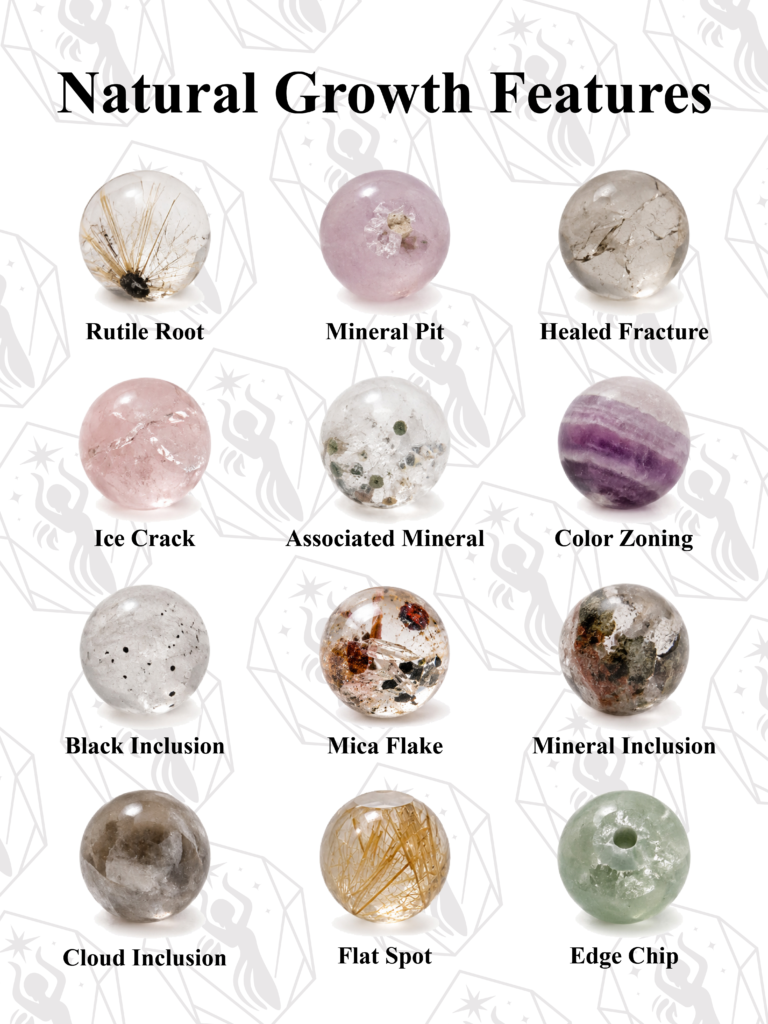
Natural materials do not need to look machine-identical.
In fact, variations between individual stones are often expected. The role of craftsmanship is to turn those naturally variable materials into jewelry that is secure, wearable and visually considered.
Are Variations in Natural Gemstones Normal?
Yes. Variation is one of the defining characteristics of many natural gemstones.
Individual stones can differ in:
- Color
- Tone
- Transparency
- Banding
- Pattern
- Inclusions
- Texture
- Optical effects
The type and degree of variation depend on the material.
For example, agates can show different bands and translucent areas, tiger eye varies in stripe pattern and optical appearance, quartz varieties can differ in color intensity and clarity, and mother of pearl can vary in iridescence and surface pattern.
As a result, a piece made with natural materials may not reproduce every detail of a photographed example exactly.
The important distinction is between normal natural variation and actual issues such as damage, insecure construction or inappropriate finishing.
What Information Should You Check Before Buying Gemstone Jewelry Online?
Before purchasing natural gemstone jewelry online, look for enough information to understand what you are actually buying.
A useful product page should ideally help you identify:
- The gemstone or natural material
- Dimensions
- Bracelet or necklace length where relevant
- Bead or stone size
- Metal and other component materials
- Closure or construction type
- Relevant care instructions
- Whether natural variations should be expected
Photography should be used together with these details rather than as a substitute for them.
Macro photography is excellent for showing texture and stone characteristics, but measurements are what tell you how large the jewelry will actually appear when worn.
A Practical Checklist Before You Buy
Before choosing a piece of natural gemstone jewelry, ask:
- Do I genuinely like the gemstone’s color, pattern or appearance?
- Is the jewelry the right size and scale for me?
- Are the gemstone and other materials clearly identified?
- Does the construction suit how often I plan to wear it?
- Am I comfortable with the gemstone’s care requirements?
- Do I understand that natural variation may occur?
- Does the piece work with jewelry and clothing I already own?
- If it is a gift, does it reflect the recipient’s actual style?
If the answers are mostly yes, you are likely evaluating the jewelry on factors that matter beyond trends or gemstone popularity.
Explore Natural Gemstone Jewelry
The easiest way to understand which gemstones suit your style is often to compare finished jewelry across different materials, colors, sizes and constructions.
Rather than beginning with one specific stone, explore a broader natural gemstone jewelry collection and compare how different materials appear as bracelets, earrings, necklaces and other designs.
When comparing pieces, pay particular attention to gemstone characteristics, dimensions, component materials, construction and care requirements.
For shoppers interested in how natural materials are selected and transformed into finished jewelry, Gattrepeitho’s Materials Guide and Savoir-Faire sections provide additional information about materials and craftsmanship.
Ultimately, choosing natural gemstone jewelry is less about finding a universally “best” gemstone and more about finding the right relationship between natural material, design, craftsmanship, comfort and personal style.
Customer Care
Frequently Asked Questions
Is natural gemstone jewelry better than synthetic gemstone jewelry? +
They are different rather than universally better or worse. Natural gemstones appeal to people who value naturally formed materials and geological character, while synthetic gemstones can have their own practical and aesthetic advantages. What matters is accurate disclosure of what the material is.
How do I choose my first gemstone bracelet? +
Start with a color you already wear, measure your wrist, choose a bead size that suits the amount of visual presence you want, and check the bracelet's construction and materials. Symbolism can be a secondary consideration rather than the main reason to buy.
Are natural gemstones supposed to look different from one another? +
Often, yes. Natural gemstones can vary in color, transparency, inclusions, banding and pattern. The expected degree of variation depends on the material.
Can I mix several gemstones together? +
Yes. For styling purposes, gemstones do not need to match exactly. Combining pieces through related colors, similar bead sizes, shared metal tones, or contrasting textures often creates a more intentional result.
What gemstone jewelry makes a good gift? +
Choose according to the recipient's preferred colors, jewelry habits, size, and personal style. Birthstones, zodiac associations, and traditional gemstone symbolism can then add a meaningful detail. Rose quartz, amethyst, and mother of pearl are approachable options when they suit the recipient's taste.
Is gemstone jewelry suitable for pets? +
Only use jewelry or gemstone accessories specifically designed for pets. Check sizing, weight, construction, attachment method, and intended use carefully. A decorative pet accessory should not restrict movement or replace essential collars, identification, or safety equipment.
What is the best gemstone for everyday jewelry? +
There is no single gemstone that is best for everyone. Consider the durability and care requirements of the specific material, the jewelry construction, your daily activities and how often you intend to wear the piece.
Is gemstone symbolism scientifically proven? +
Traditional gemstone meanings belong primarily to cultural, historical and symbolic traditions. They should not be presented as guaranteed medical, psychological or physical effects.
What makes handmade gemstone jewelry different? +
Handmade gemstone jewelry can involve individual decisions about stone selection, arrangement, proportion, finishing and construction. Because natural stones vary, individual pieces may also show subtle visual differences.