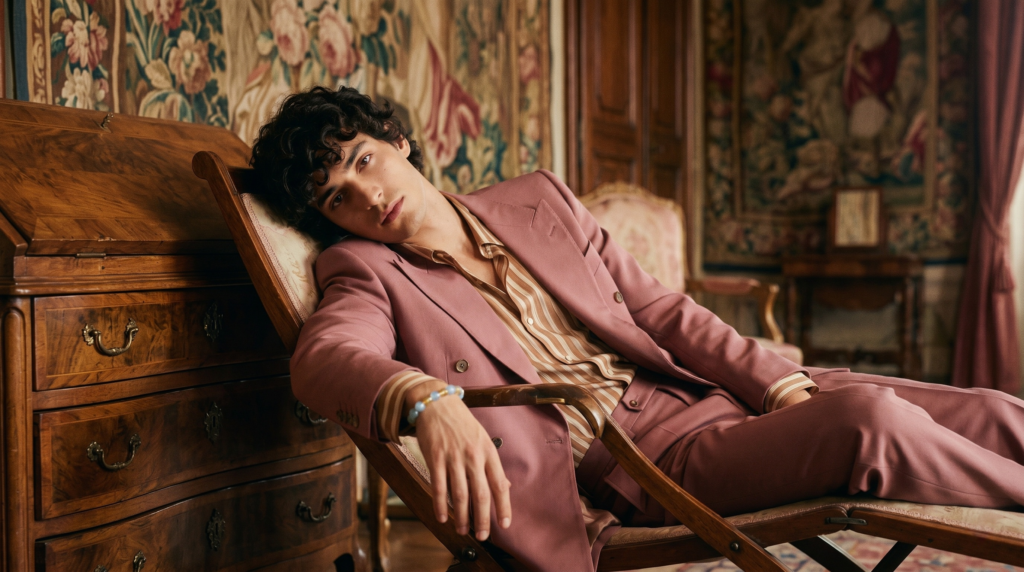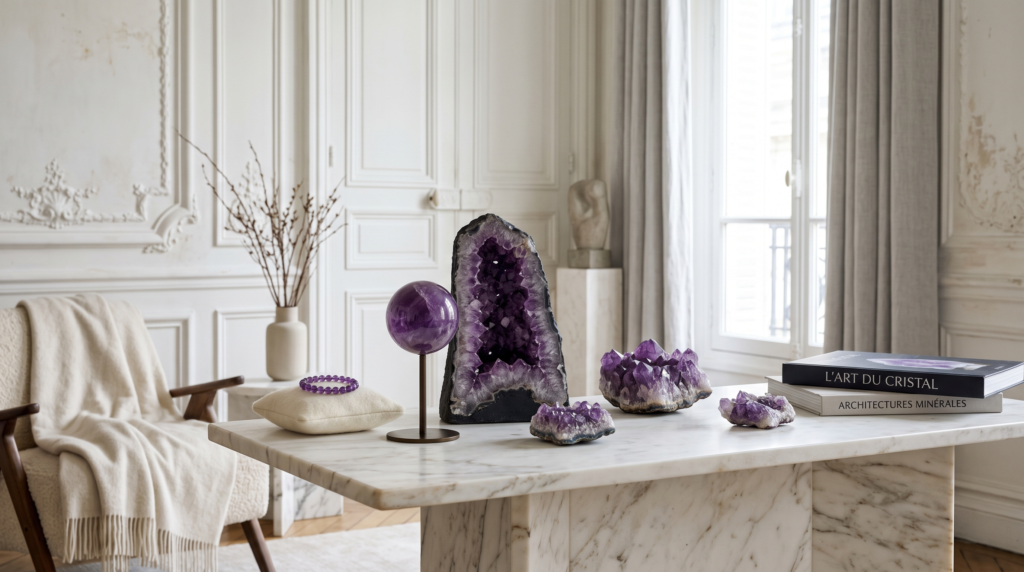

The best crystal bracelet size starts with an accurate wrist measurement, followed by a small fit allowance based on how snug or relaxed you want the bracelet to feel. Bead size matters too: larger gemstone beads take up more interior space, so two bracelets with the same listed length may not feel exactly the same.
This crystal bracelet size guide explains how to measure your wrist for a bracelet, choose between snug and relaxed fits, account for bead size, and shop natural gemstone bracelets more confidently. It also covers styling, gifting, natural stone variation, and care.
Quick Answer: How to Choose a Crystal Bracelet Size
For most beaded bracelets, use this simple process:
- Measure your wrist at the point where you plan to wear the bracelet.
- Keep the measuring tape close to the skin without pulling it tight.
- Add about 0.5–1 cm (0.2–0.4 in) for a close fit.
- Add about 1–1.5 cm (0.4–0.6 in) for a comfortable fit.
- Add about 1.5–2 cm (0.6–0.8 in) if you prefer a looser fit.
Treat these additions as practical starting points rather than universal rules. The bracelet construction, bead diameter, wrist shape, charms, spacers, and personal preference can all affect the final crystal bracelet fit.
Always check the specific product measurements and Gattrepeitho Sizing & Fit Guide before ordering.


What Is Crystal Bracelet Size?
Crystal bracelet size describes how a bracelet fits around the wrist. Depending on the design, sizing may be expressed as the bracelet’s circumference, length, or recommended wrist measurement.
With stretch gemstone bracelets, the relationship between wrist circumference and bracelet size is particularly important. A bracelet that is too small can place unnecessary tension on the elastic, while one that is much too large may move excessively or slip over the hand.
There is another factor that shoppers sometimes overlook: bracelet bead size.
Larger beads project farther toward the inside of a bracelet than smaller beads. As a result, a bracelet made with substantial round stones can feel tighter than a finer-beaded design even when their external measurements appear similar.
That is why a useful bead bracelet size decision considers three things together: wrist measurement, desired fit, and bead dimensions.
How to Measure Your Wrist for a Bracelet
Step 1: Choose where you will wear it
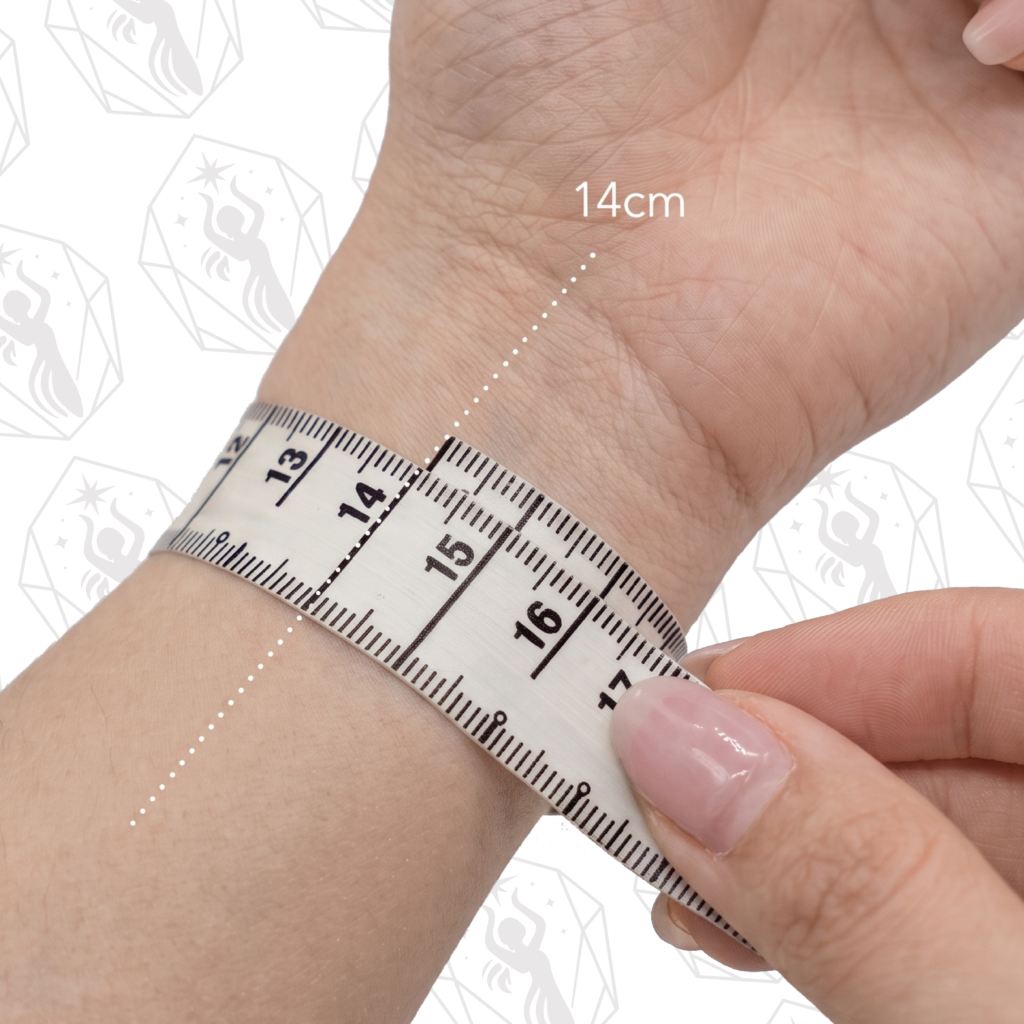
Measure the part of your wrist where the bracelet will normally sit. For most people, this is around or just above the wrist bone.
Step 2: Use a flexible measuring tape
Wrap a soft measuring tape around your wrist. It should touch your skin without squeezing it.
Read the measurement where the tape overlaps. This is your actual wrist circumference—not necessarily the bracelet size you should order.
Step 3: Choose your preferred fit
Once you know your wrist circumference, consider how you like bracelets to sit.
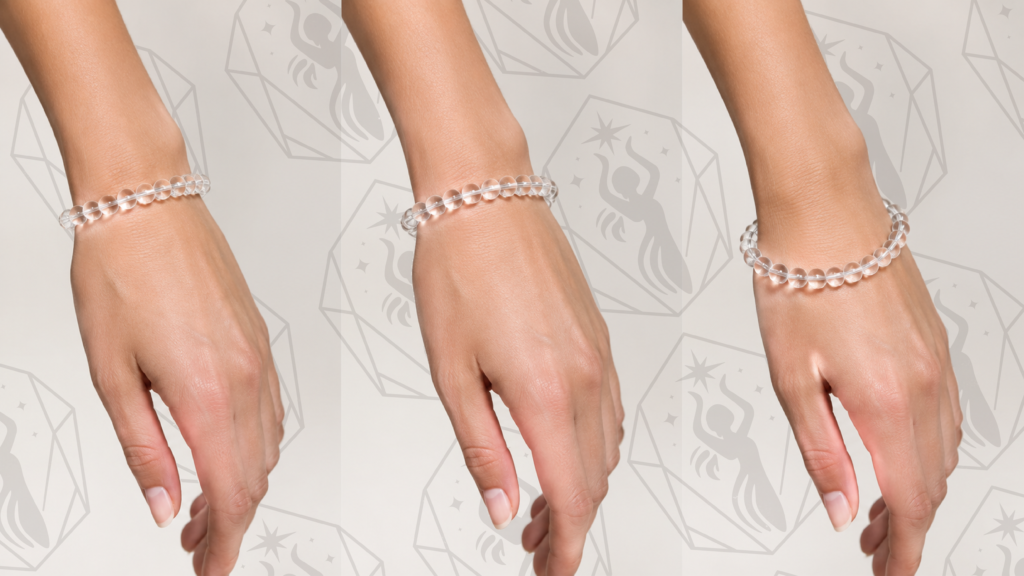
A close fit stays nearer the wrist with limited movement. A comfortable fit leaves a little room and works well for many everyday beaded bracelets. A loose fit allows more movement and may suit shoppers who dislike anything sitting closely around the wrist.
What if you do not have a measuring tape?
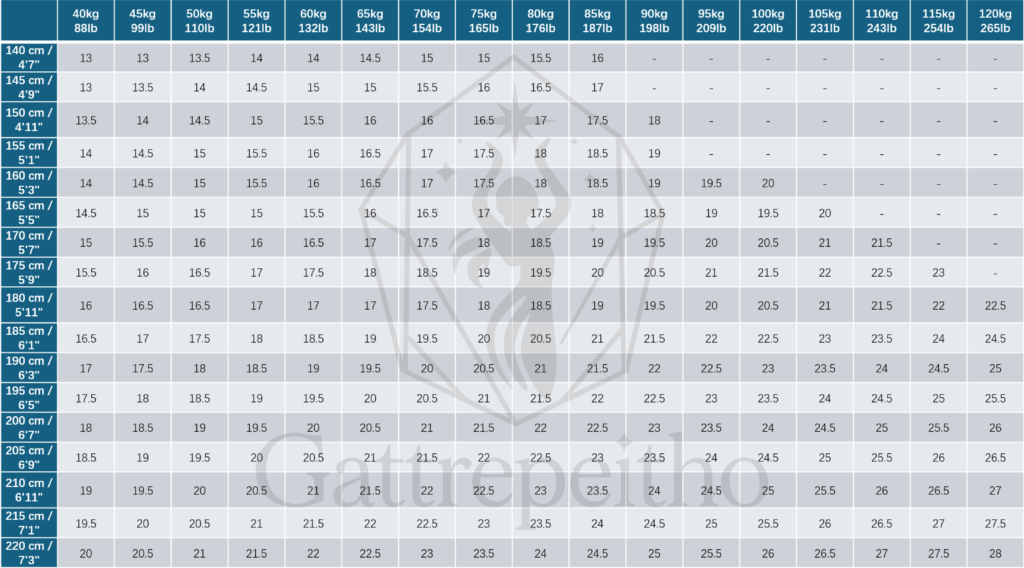
If you are unable to measure your wrist directly, you can refer to the sizing chart below. It provides an estimated wrist size based on height and weight, which can help you choose a suitable crystal bracelet size.
Please keep in mind that the chart is intended as a general reference. Wrist size can vary between people with the same height and weight, so if possible, we recommend measuring your actual wrist circumference for the most accurate fit.
How Bracelet Bead Size Changes the Fit
Bead diameter affects both appearance and comfort.
Smaller beads generally create a finer profile and can be easier to stack with a watch or other bracelets. Larger beads have more visual presence, but they also occupy more space around the inside of the bracelet.
This is especially relevant when comparing different designs in Gattrepeitho’s Gemstone Bracelet Collection.
For example, a bracelet featuring larger round gemstones may sit differently from a design combining smaller stones, pearls, spacers, or decorative elements. Do not assume that every bracelet will fit identically simply because you usually buy one standard size.
Check the measurements and construction of the individual design whenever possible.
Gemstone Symbolism and Choosing a Bracelet
Sizing should come first for comfort, but gemstone choice can make a bracelet more personal.
Gemstone meanings are best understood as traditions, symbolism, or personal associations rather than guaranteed effects. Many people simply choose stones because they enjoy their color, natural patterns, or the ideas associated with them.
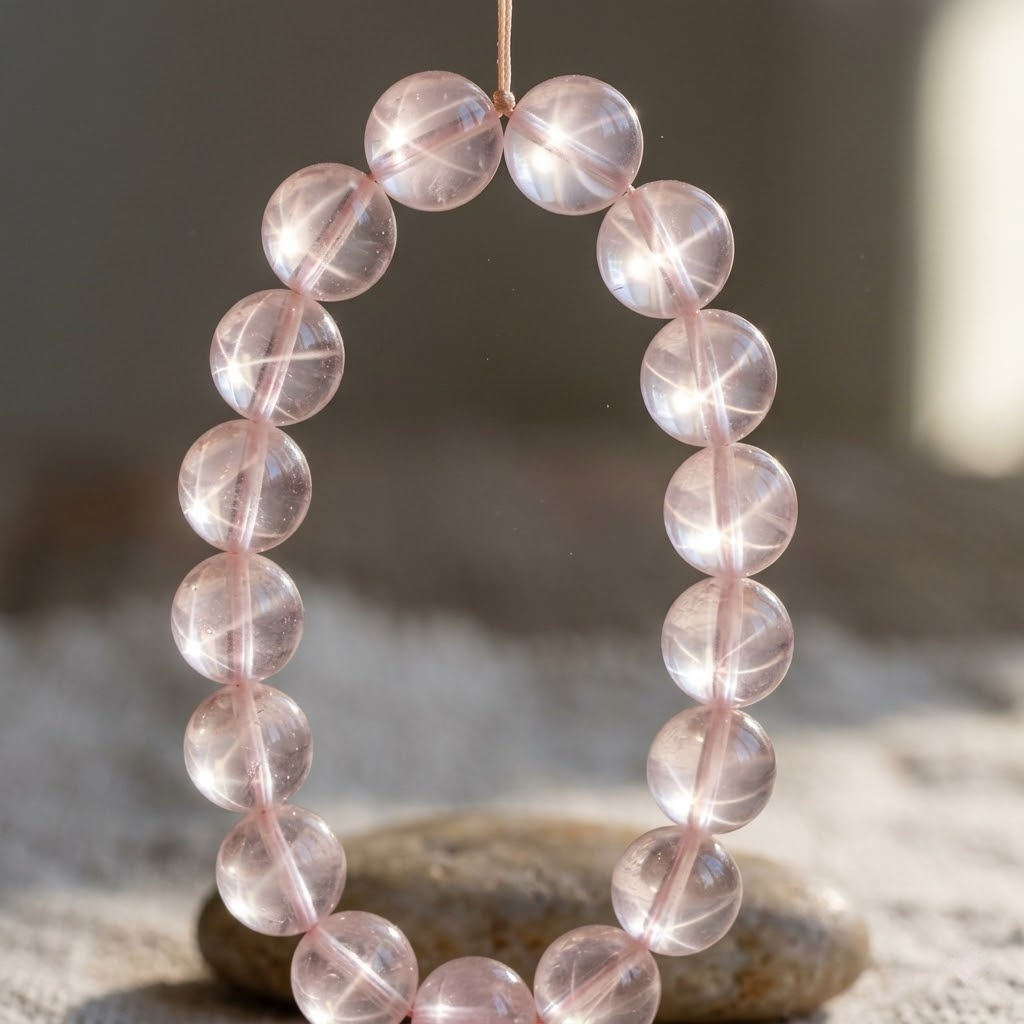
For example:
- Rose quartz is traditionally associated with affection, compassion, and tenderness.
- Amethyst has long-standing cultural associations with clarity, composure, and reflection.
- Smoky quartz is often associated symbolically with grounding and steadiness.
You can also choose a bracelet based purely on color, wardrobe compatibility, birth or zodiac themes, or the recipient’s personal taste. Symbolism does not need to determine the purchase.
How to Choose the Right Crystal Bracelet
A good bracelet size guide is only one part of the buying decision. Consider these practical factors before ordering.
Start with wrist size and fit
Measure rather than guess. If your wrist measurement falls near a size boundary, consider whether you prefer a closer or more relaxed fit and review the product-specific sizing information.
Consider bead size
Think about scale as well as measurement. Fine beads can look understated and stack easily, while larger beads make the gemstone itself more visually prominent.
Look at the gemstone color
Choose a color you will realistically wear. Soft pink rose quartz can work with neutral and pastel wardrobes, while purple amethyst offers more contrast. Smoky quartz tends toward earthy translucent browns, and strawberry quartz introduces warmer pink and red tones.
Check the construction
Look beyond the stones themselves. Elastic quality, stringing, spacers, pearls, clasps, charms, and other components influence comfort and durability.
For handcrafted jewelry, careful assembly matters because natural beads are not mechanically identical. A well-made bracelet should accommodate these small differences while maintaining a balanced overall design.
How to Style Crystal Bracelets
For daily wear, a single gemstone bracelet is often the simplest option. It keeps the stone visible without requiring much coordination.
For stacking, combine bracelets with different bead scales or textures rather than trying to match every detail. A fine bracelet beside a slightly larger-beaded design creates clearer separation.
You can also coordinate by color. Rose and strawberry quartz work naturally within soft pink palettes, while amethyst can provide a distinct purple accent. Smoky quartz is useful with black, cream, brown, denim, and other neutral colors.
If you wear a watch, consider leaving enough bracelet room for comfortable movement without allowing the beads to repeatedly strike the watch case.
Gemstone Variations to Expect
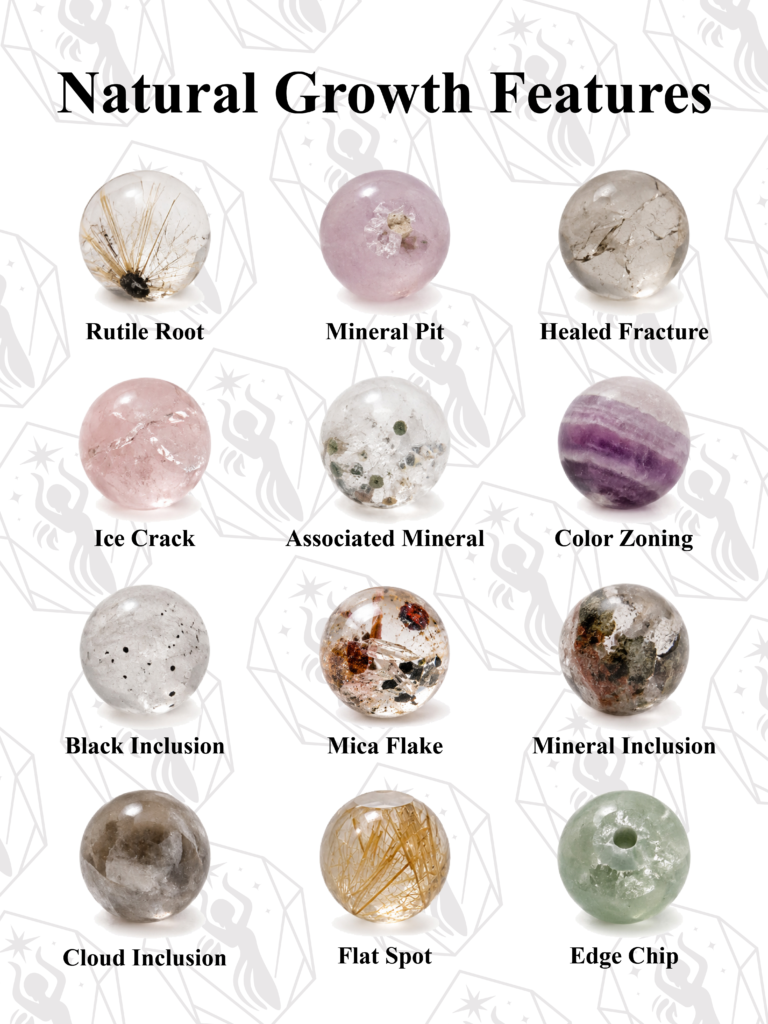
Natural gemstones are not expected to look completely uniform.
Depending on the stone, you may see variations in:
- Color depth and tone
- Transparency or cloudiness
- Internal inclusions
- Veining and mineral patterns
- Surface texture
- Bead-to-bead pattern
- Natural marks
Handcrafted jewelry can also show small differences in bead arrangement or overall appearance. These variations should be distinguished from actual damage or poor construction.
Crystal Bracelet Gift Ideas
A gemstone bracelet can be a practical gift when you know both the recipient’s style and approximate wrist size.
Rose quartz may suit someone who likes pale pink jewelry or appreciates its traditional symbolism around affection. Amethyst can work well for someone drawn to purple gemstones or symbolic pieces associated with reflection.
Smoky quartz is a useful option for people who prefer neutral, earthy colors, while strawberry quartz can appeal to someone who likes warmer pink and red tones.
Crystal bracelets can suit birthdays, friendship gifts, Mother’s Day, holidays, thank-you gifts, milestones, or zodiac-inspired gifting.
If the gift is a surprise and you cannot measure the recipient’s wrist, check a bracelet they already wear comfortably. Measure its dimensions where possible and compare them with the product’s sizing information.
Recommended Gattrepeitho Pieces
Gattrepeitho offers several options worth comparing once you know your preferred size and fit.
Crystal Bracelet Collection
Start with the Crystal Bracelet Collection if you want to compare different stone colors, bead styles, and bracelet designs before deciding. It is useful for shoppers who know their wrist measurement but have not settled on a gemstone.
Gemstone Bracelet Collection
The Gemstone Bracelet Collection is another useful place to compare natural stone designs and consider how different bead scales, colors, and construction styles suit your wardrobe.
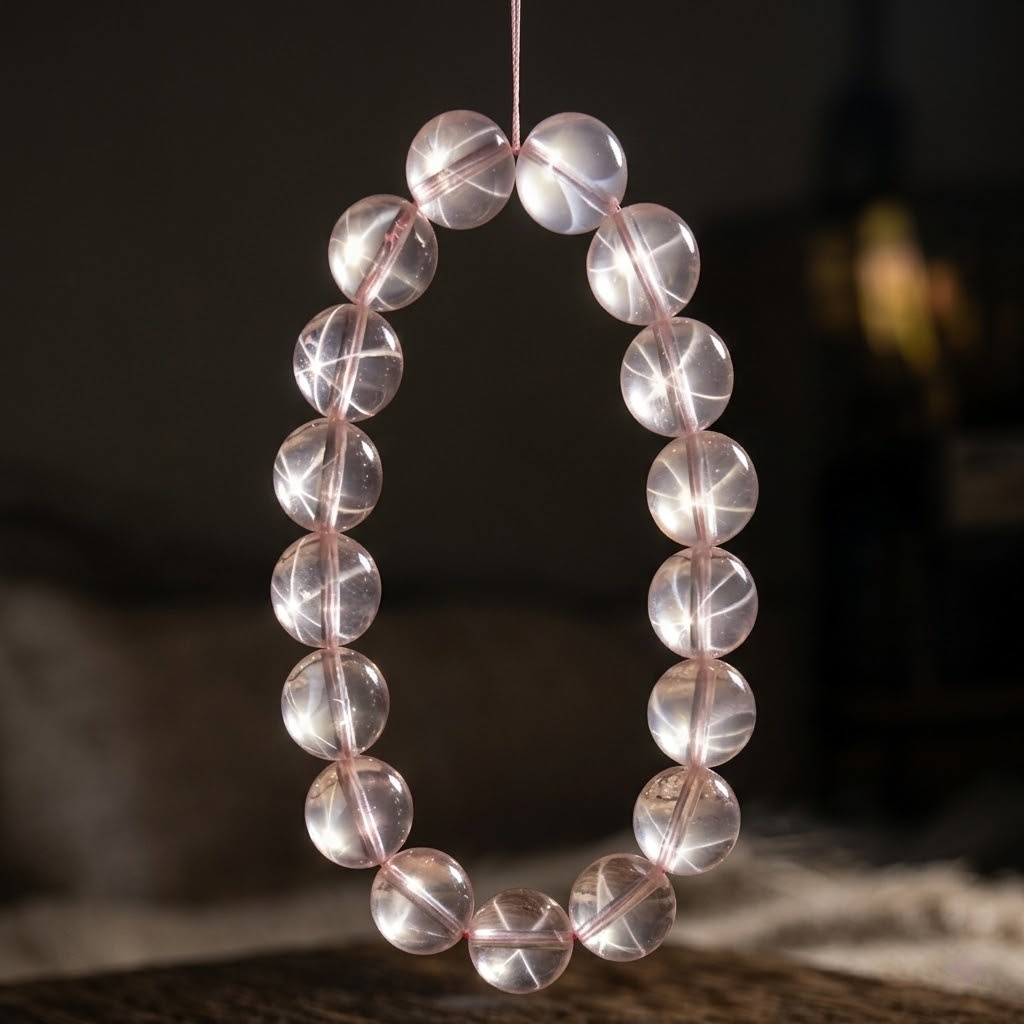
Rose Quartz Bracelet
A Rose Quartz Bracelet suits shoppers looking for a soft pink natural gemstone and understated color. Rose quartz is often associated with affection and compassion, making it a thoughtful symbolic gift without requiring the wearer to attach any particular belief to the stone.
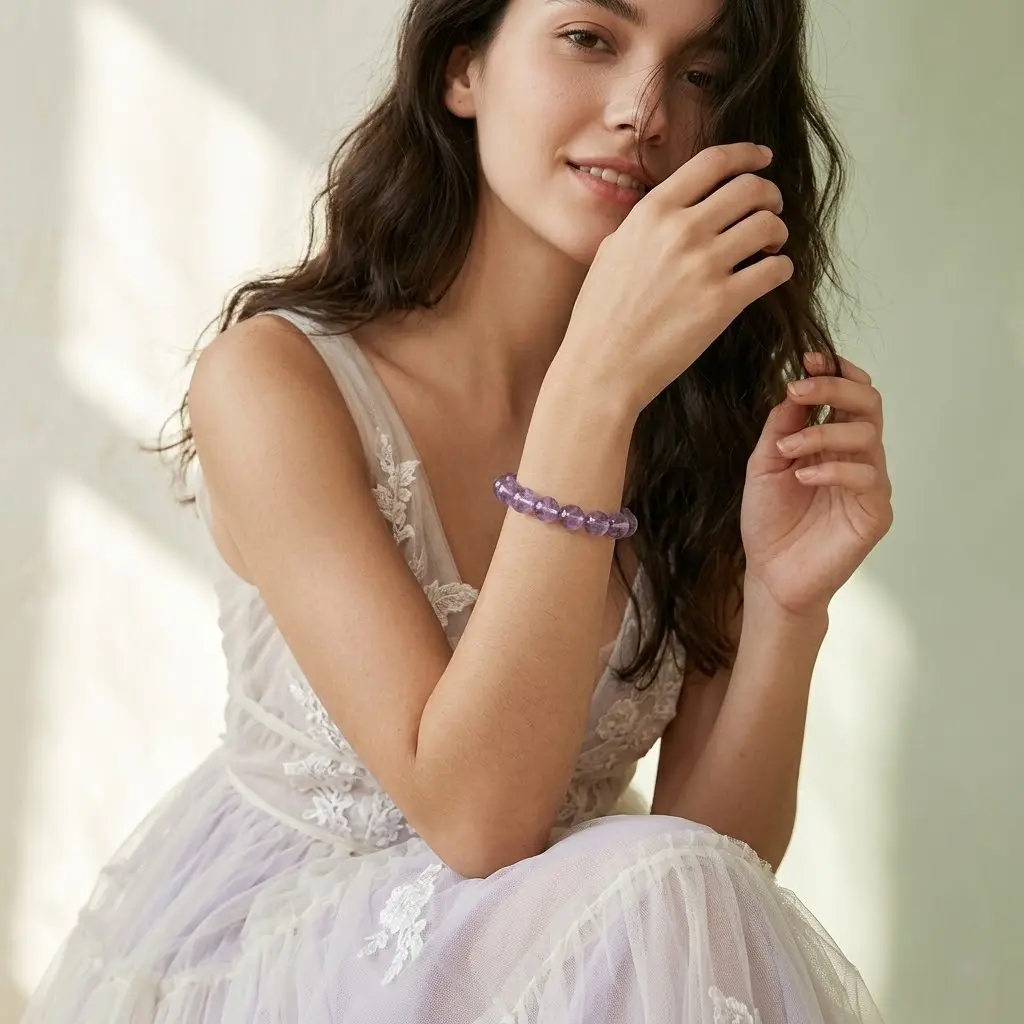
Amethyst Bracelet
An Amethyst Bracelet offers a more noticeable purple palette. It can suit someone who enjoys cooler colors, February birthstone-inspired gifts, or amethyst’s traditional associations with clarity and composure.
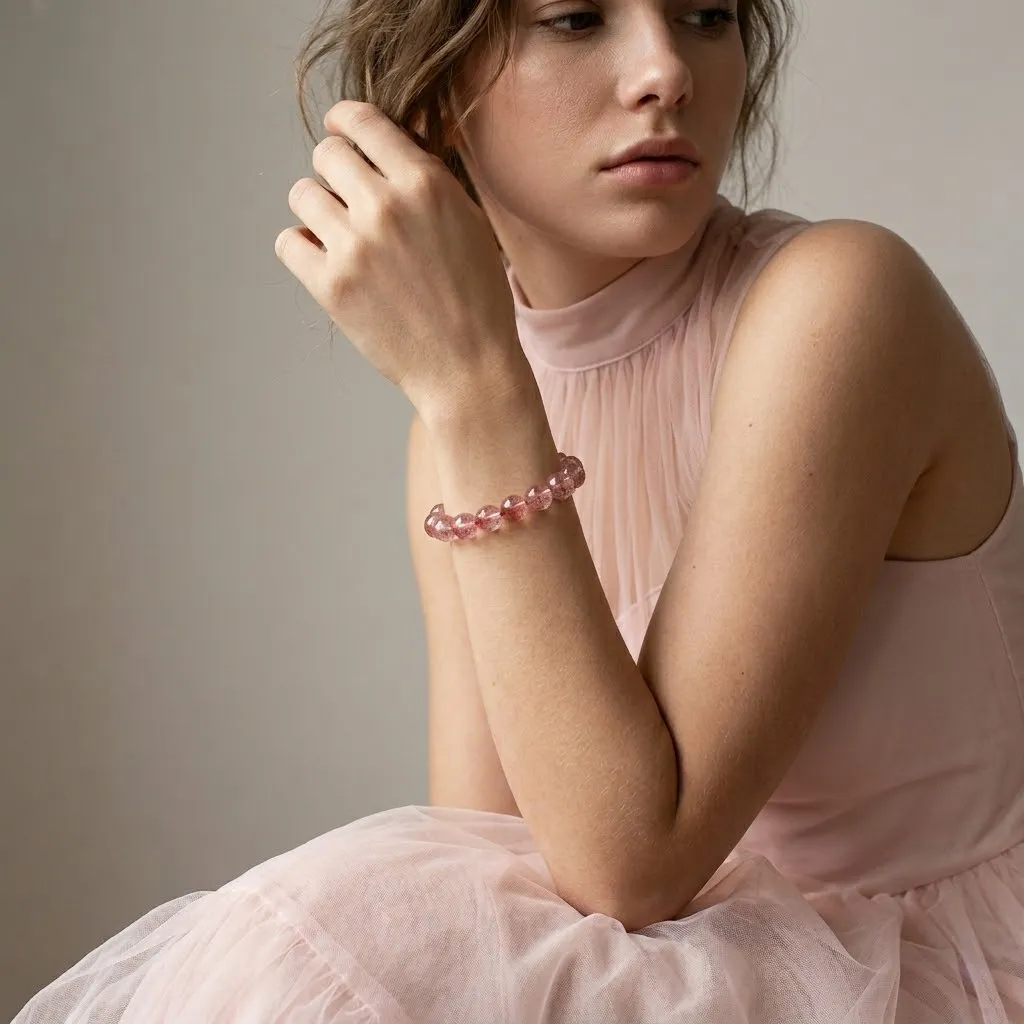
Strawberry Quartz Bracelet
A Strawberry Quartz Bracelet works well for shoppers drawn to warm pink or reddish gemstone tones. Natural inclusions and color variation can be particularly important to appreciate when choosing this type of stone.
Before purchasing any design, compare your wrist measurement with the Gattrepeitho Sizing & Fit Guide and check the individual product details.
How to Care for a Crystal Bracelet
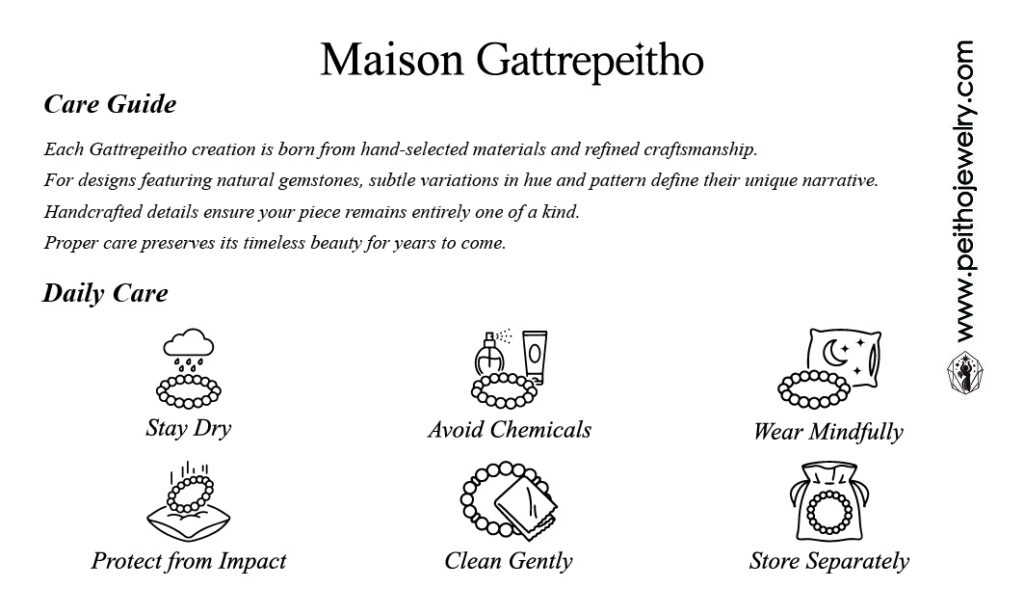
Good care can help protect both the gemstones and the bracelet construction.
- Avoid prolonged exposure to water, especially for elastic or mixed-material designs.
- Keep bracelets away from perfume, lotions, cleaning products, and harsh chemicals.
- Remove them before swimming, showering, or activities that may pull or strike the bracelet.
- Wipe the stones gently with a soft, dry or slightly damp cloth when needed.
- Store bracelets separately from harder jewelry to reduce scratching.
- Do not overstretch an elastic bracelet when putting it on. Roll it gently over the hand instead.
- Check elastic, clasps, charms, pearls, and other components periodically for signs of wear.
Different gemstones and components can have different care requirements, so follow product-specific instructions when provided.
FAQ About Crystal Bracelet Sizing
How do I know my crystal bracelet size?
Measure the circumference of your wrist with a flexible tape where you plan to wear the bracelet. Then add an appropriate fit allowance based on whether you prefer a close, comfortable, or loose fit, and compare the result with the product’s sizing information.
How much bigger should a bracelet be than my wrist?
As a general starting point, add approximately 0.5–1 cm for a close fit, 1–1.5 cm for a comfortable fit, or 1.5–2 cm for a looser fit. Bead size and bracelet construction can change how these measurements feel.
Does bracelet bead size affect fit?
Yes. Larger beads occupy more interior space and can make a bracelet feel closer around the wrist. Consider bead diameter as well as the listed bracelet measurement when comparing designs.
Should a crystal bracelet be tight or loose?
A crystal bracelet should feel secure without uncomfortable pressure. The ideal crystal bracelet fit depends on personal preference, but it should not be so tight that the elastic is constantly stretched or so loose that the bracelet can easily slip over your hand.
Can I measure a bracelet I already own?
Yes. A bracelet that already fits comfortably can provide a useful reference, but compare like with like when possible. A chain bracelet and a large-bead stretch bracelet may fit differently even when their measurements seem similar.
Are natural gemstone beads supposed to look different?
Yes. Natural gemstones can vary in color, transparency, inclusions, veining, texture, and pattern. Small visual differences between beads or between the bracelet you receive and product photography are normal characteristics of natural materials.
What crystal bracelet size should I buy as a gift?
If possible, measure a bracelet the recipient already wears comfortably or find out their wrist circumference discreetly. Avoid relying only on broad labels such as small, medium, or large, since wrist dimensions and fit preferences vary.
Can I wear a gemstone bracelet every day?
Many gemstone bracelets can be worn regularly with appropriate care, but daily wear increases exposure to moisture, chemicals, friction, and impact. Remove the bracelet for showering, swimming, strenuous activity, and situations where it may catch or be damaged.
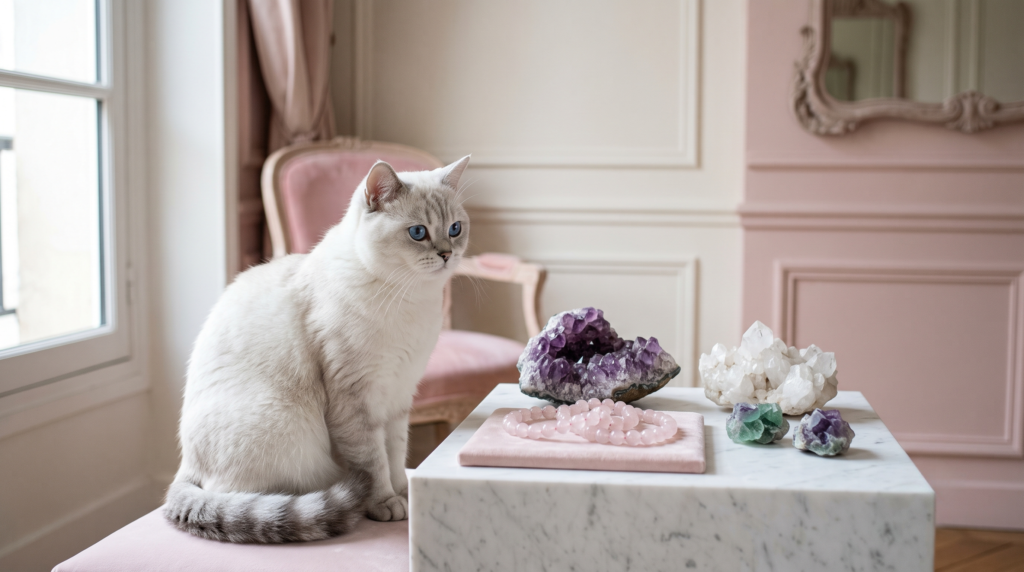
Find Your Fit with the Gattrepeitho Crystal Bracelet Size Guide
Choosing the right bracelet is easier when you start with measurements rather than assumptions. Measure your wrist accurately, decide whether you prefer a close or relaxed fit, consider how bracelet bead size affects the interior space, and always check the measurements of the individual design.
Natural gemstone color, inclusions, texture, and handcrafted differences are also worth considering. They make each piece slightly individual without changing the basic principles of good sizing.
Use this crystal bracelet size guide alongside the Gattrepeitho Sizing & Fit Guide, then explore the Crystal Bracelet Collection and Gemstone Bracelet Collection to compare Rose Quartz, Amethyst, Smoky Quartz, Strawberry Quartz, and other natural gemstone designs in a size and style that works for you.